










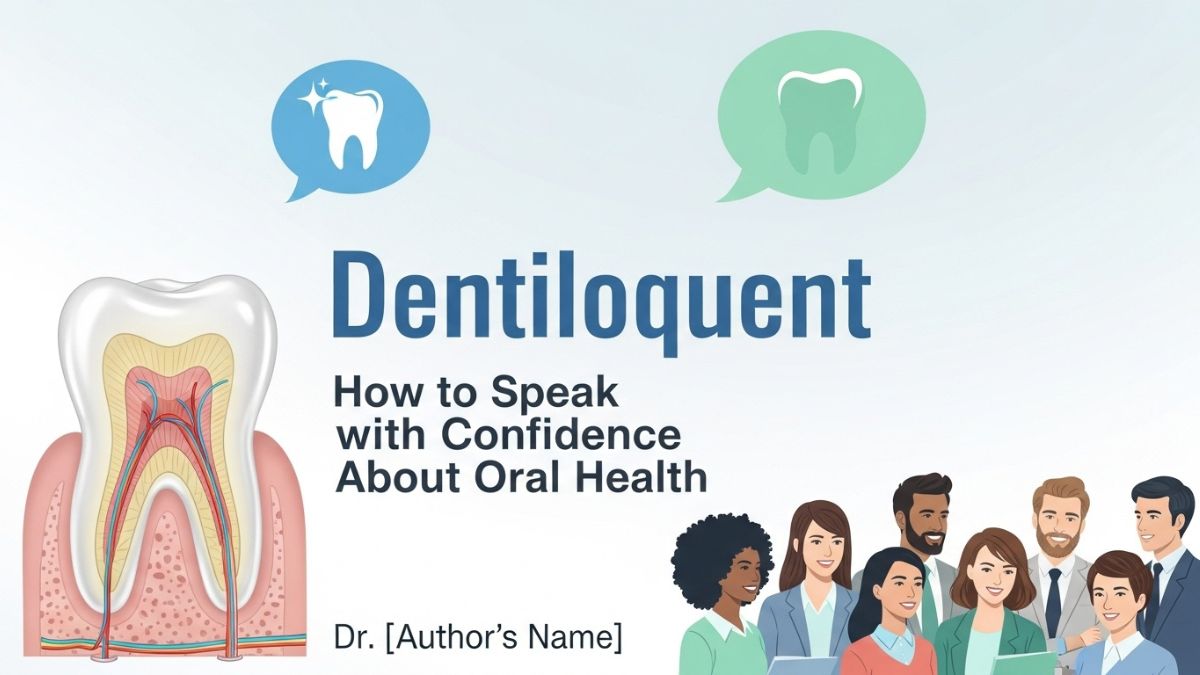
Welcome to the world of dentiloquence! It’s a term that might be new to you, but it holds significant power. When we talk about oral health with confidence and clarity, we not only empower ourselves but also those around us. Understanding dental care is essential for maintaining a healthy smile and preventing serious issues down the line.
Many people feel intimidated when discussing their oral health. But with the right tools and knowledge, anyone can become dentiloquent—someone who speaks fluently about dental topics. This blog will guide you through effective communication strategies, key dental terminology, and how to engage in meaningful conversations with your dentist or loved ones about oral care.
Improving Communication Skills: Tips for Speaking Confidently about Oral Health
When discussing oral health, clarity is key. Start by practicing your vocabulary. Familiarize yourself with basic dental terms to help you articulate thoughts more easily.
Engage in conversations about oral health regularly. The more you talk about it, the more comfortable you’ll become. Attend community workshops or webinars on dental hygiene to enhance your knowledge and confidence.
Role-playing can also be beneficial. Practice how you would explain a procedure or a common issue with a friend or family member. This exercise can ease anxiety when speaking in real situations.
Use open-ended questions when talking to others about their experiences with dental care. It encourages dialogue and allows for deeper discussion of important topics related to oral health.
Remember that confidence often comes from preparation and practice. The more informed you are, the easier it becomes to discuss this vital aspect of well-being effectively.
Understanding Common Dental Terms and Procedures
Navigating the world of dental care involves understanding specific terms and procedures. Familiarity with these can make conversations easier and more productive.
Start with basic terminology. Words like “cavity,” “plaque,” and “gingivitis” frequently come up in discussions about oral health. Knowing their meanings empowers you to take charge of your dental care.
Procedures such as fillings, root canals, or cleanings are essential for maintaining healthy teeth. Each one serves a unique purpose—fillings repair cavities while root canals save damaged teeth.
Don’t shy away from asking your dentist for explanations. Clarifying terms not only enhances your knowledge but also builds trust between you and your healthcare provider.
Understanding common dental language equips you to engage confidently during appointments or when discussing oral health with others. This knowledge fosters better communication about treatment options and preventive measures that benefit everyone’s smile.
Communicating with Your Dentist: How to Ask Questions and Express Concerns Effectively
When visiting the dentist, effective communication is key. Don’t hesitate to ask questions about your treatment plan or any procedures.
Start by writing down your concerns beforehand. This helps ensure you cover everything during your appointment. If something isn’t clear, request clarification in simple terms.
Use open-ended questions to encourage dialogue. For example, instead of asking if a procedure will hurt, inquire about what sensations you might feel and why they’re normal.
Be honest about any fears or anxieties regarding dental care. Your dentist can offer reassurance and alternative options that make you more comfortable.
Remember, dentists are there to help you maintain oral health. Building rapport leads to better understanding and improved visits over time.
Educating Others About the Importance of Oral Health
Sharing knowledge about oral health is vital in creating a healthier community. When you understand the importance of maintaining good dental hygiene, it becomes easier to pass that wisdom along.
Start conversations with friends and family about daily practices like brushing and flossing. Discuss the benefits of regular dental check-ups. Personal stories can make a real impact, so share your experiences—whether they’re positive or challenging.
Utilize social media platforms to spread awareness as well. Simple tips on maintaining oral health can reach a wide audience quickly.
Participate in local events focused on wellness. Offer insights during workshops or discussions at schools, especially for young children who are just beginning their journey into proper oral care habits.
Every bit of information shared contributes to reducing stigma surrounding dental visits and encourages proactive measures for everyone’s smiles.
Resources for Continued Learning and Improvement in Dentiloquence
To enhance your dentiloquent skills, consider exploring various resources. Online courses can be a great starting point. Websites like Coursera and Udemy offer modules focused on dental health communication.
Podcasts are another excellent option. Look for shows that feature interviews with dental professionals discussing trends in oral health education.
Books also play a crucial role in learning terminology and effective communication strategies. Titles dedicated to patient-dentist interactions can provide valuable insights.
Joining local or online forums lets you connect with others who share your interest in oral health. Engaging discussions can boost your confidence when speaking about these topics.
Attending workshops or seminars allows you to practice speaking publicly while gaining new knowledge from experts in the field. Keeping abreast of the latest research through reputable journals will further solidify your understanding of oral health matters.
Conclusion
Being dentiloquent means more than just having knowledge about oral health. It’s about the confidence to share that knowledge and engage in meaningful conversations. When you speak clearly about dental terms and procedures, you empower yourself and those around you.
Understanding how to communicate effectively with your dentist can transform your visits into productive experiences. It allows for better diagnosis and treatment planning while ensuring all your concerns are addressed. This open dialogue fosters a trusting relationship between you and your dental professional.
Educating others on the importance of oral health creates a ripple effect within communities. Each time someone shares what they’ve learned, it enhances collective awareness regarding hygiene practices, preventive care, and overall well-being.