









Musté is more than just a craft; it’s a vibrant tapestry woven from rich history and cultural significance. This unique art form has captured the hearts of many, bringing together tradition, creativity, and community. Whether you’re an enthusiast or simply curious about this fascinating practice, there’s so much to discover about musté. From its captivating origins to its modern-day applications, each thread tells a story worth knowing.
Join us on this journey as we explore the essence of mustés its roots in various cultures, the intricate processes behind creating it, and how you can embrace this beautiful craft in your own life. Let’s dive into the world of musté and celebrate the artistry that transcends generations!
What is Musté and Its Origins?
Musté is a captivating craft that intertwines artistry with tradition. Originating from various cultures, it often involves intricate techniques of weaving or embroidery. The term itself may vary regionally, but the essence remains the same: creating unique pieces that reflect identity and heritage.
Historically, musté has roots in both practical applications and ceremonial uses. Ancient artisans utilized local materials to create functional items like textiles and accessories. Over time, these practical objects evolved into forms of artistic expression.
In many cultures, mustés signifies community connection. It’s not merely about craftsmanship; it’s about storytelling through patterns and colors passed down through generations. This art form embodies resilience and creativity, showcasing how cultural influences shape individual expressions within a vibrant tapestry of shared history.
The Role of Musté in Different Cultures and Traditions
Musté holds a special place across various cultures, often symbolizing heritage and identity. In many indigenous communities, it serves as a medium for storytelling and cultural expression.
In regions like Central Asia, Musté is intricately woven into traditional ceremonies. Artisans create stunning pieces that embody the spirit of their ancestors while passing down age-old techniques through generations.
Similarly, in Mediterranean cultures, Mustés plays a role during festive occasions. Decorative items crafted with meticulous care are essential parts of celebrations and rituals.
Across diverse landscapes, this art form adapts yet retains its core significance—connecting people to their roots. The vibrant colors and patterns not only beautify but also tell stories of resilience and creativity inherent in every culture’s fabric.
The Process of Creating Musté
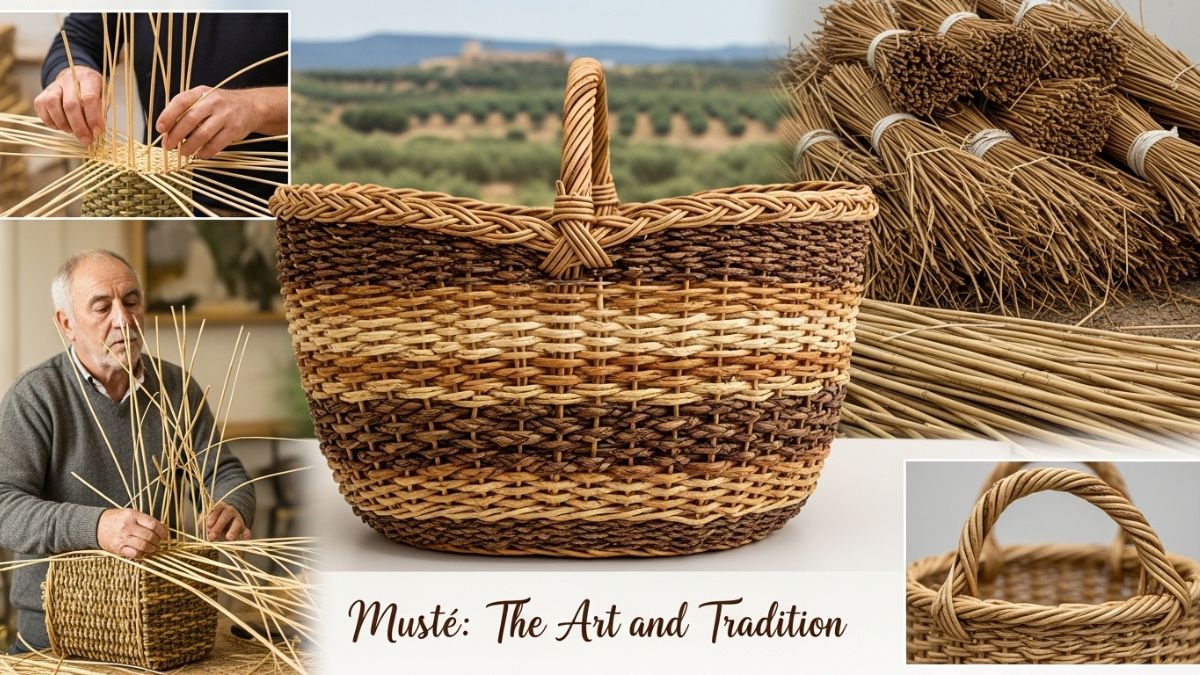
Creating musté involves a blend of artistry and meticulous craftsmanship. The journey begins with selecting high-quality materials, often natural fibers that reflect local traditions.
Once chosen, these fibers undergo preparation. This could involve washing, dyeing, or spinning to achieve the desired texture and color. Each step is vital in transforming raw material into something extraordinary.
Next comes the actual weaving or crafting process. Artisans use traditional techniques passed down through generations. Their hands move skillfully, intertwining threads with precision and passion.
Attention to detail is crucial at this stage. Patterns emerge slowly as colors dance together, telling stories through their intricate designs.
Finishing touches are applied. Whether it’s adding fringes or reinforcing edges, these final steps elevate each piece from ordinary to exceptional. Mastery shines through in every finished item of mustés.
Traditional Tools and Techniques Used in Musté Making
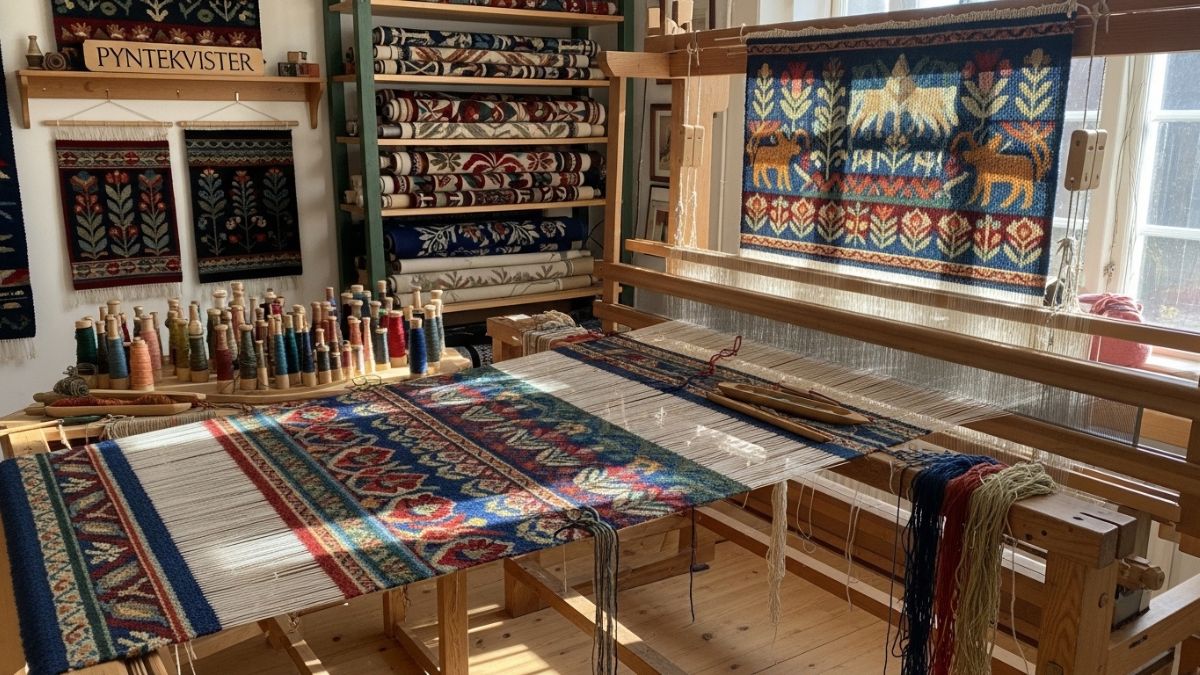
Crafting musté relies on an array of traditional tools that reflect its rich history. Artisans often use handmade wooden frames, which serve as the backbone for creating intricate patterns. These frames vary in size and complexity, allowing for diverse designs.
The weaving technique is equally vital. Using a shuttle, artisans skillfully interlace threads to form distinct motifs. Each movement requires precision and deep understanding passed down through generations.
Natural dyes play a crucial role too. Derived from plants or minerals, these vibrant colors bring life to each piece of mustés art. The dyeing process can be meticulous; it demands patience and expertise to achieve the desired hues.
Some artisans incorporate personal touches with hand-stitched embellishments. These details not only enhance aesthetics but also tell unique stories about the maker’s background and inspiration behind their work.
Modern Applications of Musté
Musté is not just a relic of the past; it has found new life in contemporary settings. Designers are increasingly incorporating musté into fashion and home décor, blending traditional craftsmanship with modern aesthetics.
In the world of fashion, mustés patterns grace everything from high-end clothing to everyday accessories. These elements add a unique flair that stands out in crowded markets.
Home décor also embraces this art form. Musté-inspired textiles can transform living spaces, bringing warmth and cultural richness into homes. Cushions, wall hangings, and table linens featuring these designs create distinct atmospheres.
Moreover, social media platforms showcase musté creations through vibrant images and tutorials. This visibility encourages younger generations to explore this craft further. The fusion of old techniques with fresh ideas keeps mustés relevant while celebrating its heritage in exciting ways.
How You Can Incorporate Musté into Your Home or Wardrobe
Incorporating musté into your life adds a touch of culture and artistry. Start with home décor. Musté textiles can transform any space, from vibrant throw pillows to elegant table runners that spark conversation.
For those who love fashion, consider wearing musté-inspired clothing. Look for garments featuring traditional patterns or techniques. A mustés scarf can elevate a simple outfit while showcasing craftsmanship.
Art enthusiasts might enjoy displaying framed pieces of musté art on walls. These unique designs tell stories and create focal points in any room.
Don’t forget accessories! Mustés jewelry made from local materials offers charm and elegance. It’s perfect for adding personality to your wardrobe.
Host events centered around musté themes—cultural evenings or craft workshops can bring people together while celebrating this beautiful tradition.
Preserving the Art of Musté for Future Generations
Preserving the art of musté is crucial for maintaining cultural heritage. Each piece tells a story, connecting us to our ancestors and their traditions.
Education plays a vital role in this preservation. Workshops and classes can introduce new generations to these intricate techniques, fostering appreciation and skill.
Collaborations with local artisans are essential too. By sharing knowledge, seasoned creators can inspire young artists to innovate while respecting traditional practices.
Digital platforms offer another avenue for preserving musté. Online tutorials and social media showcases allow enthusiasts worldwide to connect, share ideas, and keep the craft alive.
Community involvement also cannot be overlooked. Local events celebrating musté create awareness and build excitement around its rich history.
Every effort counts when it comes to safeguarding this unique craft for the future. Encouraging curiosity about musté will ensure that its beauty continues to flourish across cultures.
Conclusion
Musté is more than just a craft; it’s a vibrant expression of culture and tradition. This unique art form has roots that delve deep into history, showcasing the creativity and resourcefulness of various communities around the world. From its origins to its modern adaptations, musté continues to inspire artisans and enthusiasts alike.
By understanding the intricate processes involved in creating musté, along with the tools and techniques passed down through generations, we gain insight into why this craft is so valuable. Its applications have expanded beyond traditional boundaries, finding new life in contemporary design which can enhance our homes or wardrobes.
As we embrace these artistic traditions, it becomes essential to preserve them for future generations. Sharing knowledge about musté not only enriches our lives but also keeps cultural heritage alive. Engaging with this art form allows us all to connect deeply with history while celebrating creativity today.