










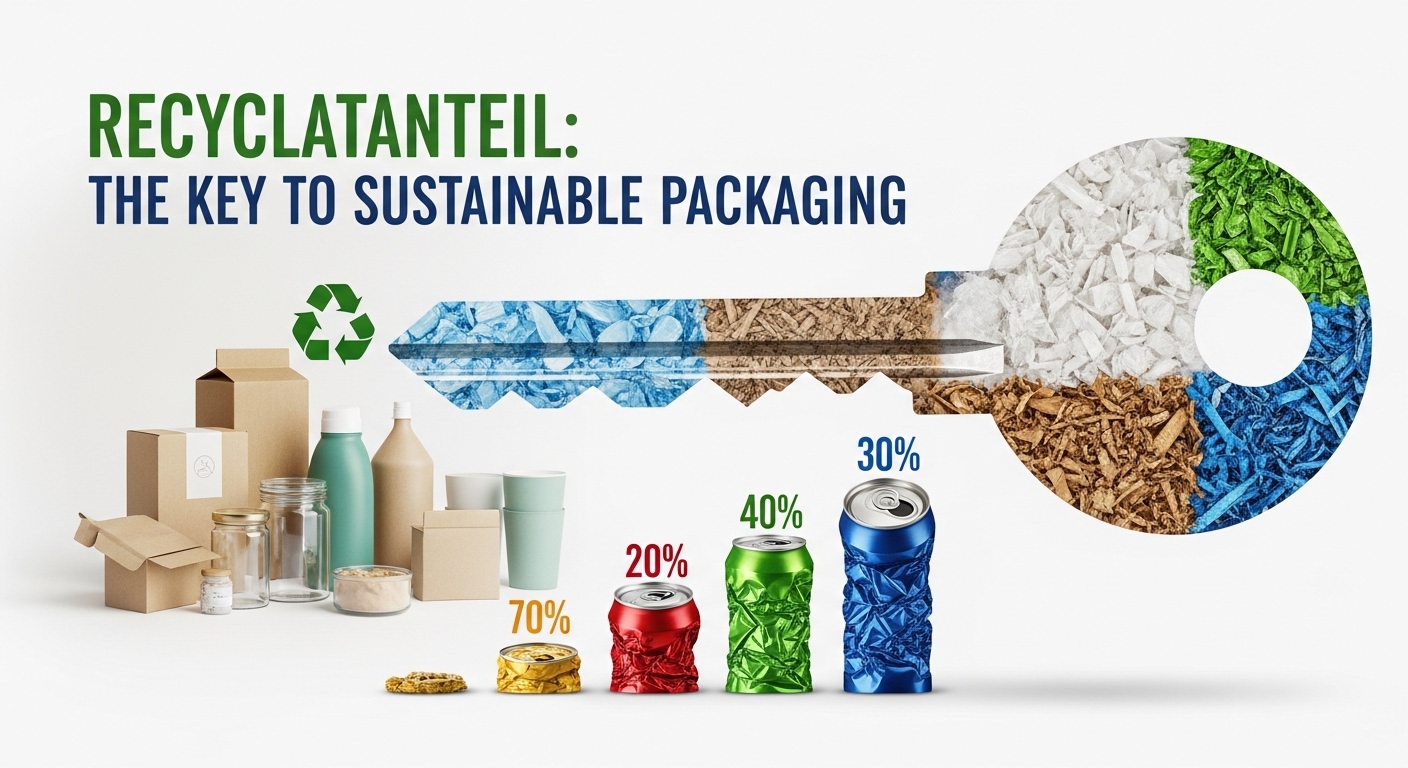
As the world grapples with the mounting challenge of plastic waste, the term “recyclatanteil” is becoming a beacon of hope in sustainable packaging. This German word translates to “recycled content,” and it holds immense importance for brands looking to minimize their environmental footprint. In an era where consumers are increasingly aware of their choices, integrating recyclatanteil into packaging can set a company apart.
Every piece of packaging tells a story—a story that begins long before it reaches your hands and continues after you toss it away. With growing urgency around climate change and resource depletion, understanding how recycled materials factor into this narrative has never been more crucial. Whether you’re a business owner seeking sustainable solutions or simply curious about eco-friendly practices, exploring recyclatanteil reveals exciting pathways toward a greener future. Join us as we delve deeper into what recyclatanteil means for businesses and our planet alike!
Understanding the concept of recyclability and how it relates to recyclatanteil
Recyclability refers to the ability of a material to be collected, processed, and transformed into new products. This process is vital for reducing waste and conserving resources. However, not all materials are created equal in terms of recyclability.
Recyclatanteil plays a crucial role here. It denotes the percentage of recycled content within packaging materials. The higher this percentage, the more sustainable the product becomes.
Consumers increasingly seek eco-friendly options, making recyclatanteil an important factor in purchasing decisions. When companies prioritize high recyclatanteil levels, they contribute positively to both their brand image and environmental health.
Understanding these concepts empowers businesses to make informed choices about their packaging strategies. By focusing on increasing recyclatanteil, industries can lead the way toward a circular economy where resources are reused rather than discarded.
The environmental impact of packaging waste and the role of recyclatanteil in reducing it
Packaging waste has become a pressing concern in today’s world. With the rise of e-commerce and convenience-driven consumption, plastic and other materials are piling up in landfills and oceans.
The environmental impact is staggering. Marine life suffers as plastic infiltrates ecosystems, while toxins from decomposing materials enter our soil and water systems. This pollution threatens biodiversity and public health alike.
Recyclatanteil presents a promising solution to this crisis. By integrating recycled content into packaging, companies can significantly reduce their reliance on virgin resources. This shift not only conserves energy but also cuts down greenhouse gas emissions associated with new production processes.
Embracing recyclatanteil allows brands to take responsibility for their ecological footprint. It encourages consumers to make more sustainable choices while driving innovation in material science toward circular economy principles. Each percentage increase in recyclatanteil contributes to a cleaner planet for future generations.
How companies can incorporate more recyclatanteil into their packaging materials
Companies can start by assessing their current packaging materials. A thorough analysis will reveal opportunities for integrating recyclatanteil. This step is crucial in identifying which products can easily switch to recycled content.
Next, collaboration with suppliers is essential. Engaging with material providers who specialize in high-quality recycled products ensures that businesses have access to sustainable options. Building strong partnerships encourages innovation and fosters a circular economy.
Implementing design changes plays a significant role as well. By optimizing packaging designs for recycling, companies can enhance the recyclability of their materials while increasing the amount of recyclatanteil used.
Furthermore, educating consumers about the benefits of choosing products with higher recyclatanteil creates awareness and drives demand for sustainable choices. Transparency in messaging reinforces brand commitment to sustainability and attracts environmentally conscious customers.
Continuous monitoring and improvement are vital; companies should regularly evaluate their progress toward sustainability goals and adjust strategies accordingly.
Success stories of businesses implementing high levels of recyclatanteil in their packaging
Several companies have embraced recyclatanteil, showcasing it as a viable path to sustainability. One standout example is Coca-Cola. They’ve committed to using 50% recycled content in their PET plastic bottles by 2030. This ambitious goal not only reduces virgin material use but also sets a benchmark for the industry.
Another impressive case is Unilever, which has successfully incorporated up to 25% recyclatanteil in many of its packaging lines. Their efforts demonstrate how large corporations can lead by example while optimizing their supply chains.
Smaller brands are making waves too, like Loop Industries. They focus on creating high-quality recycled plastics from waste materials, pushing the boundaries of what’s possible with recyclatanteil.
These success stories highlight that integrating recyclable content isn’t just feasible; it’s becoming essential for businesses aiming to resonate with eco-conscious consumers and contribute positively to the planet’s health.
Challenges facing widespread adoption of recyclatanteil and potential solutions
Adopting recyclatanteil poses several challenges for businesses and manufacturers. One significant hurdle is the initial cost of sourcing high-quality recycled materials. These can sometimes be pricier than virgin materials, making some companies hesitant to switch.
Moreover, ensuring consistent quality in recycled content remains a concern. Variability in material properties can affect product performance and brand reputation.
Another issue lies in consumer perception. Many customers are not yet fully educated on the benefits of products made with high recyclatanteil, which can impact market demand.
To tackle these obstacles, collaboration among stakeholders is essential. Governments could incentivize recycling initiatives through subsidies or tax breaks for companies that prioritize sustainable practices.
Investing in educational campaigns can also raise awareness about the importance of choosing products with higher recyclatanteil, ultimately driving consumer preference toward more sustainable options.
Conclusion
The importance of recyclatanteil in sustainable packaging cannot be overstated. As consumers become more environmentally conscious, businesses must adapt to meet these expectations. Implementing higher levels of recyclatanteil not only helps reduce waste but also promotes a circular economy.
By understanding the principles of recyclability and actively adopting materials that incorporate recycled content, companies can make significant strides toward sustainability. The success stories of various brands show that commitment to recyclatanteil can lead to innovation and market leadership.
However, challenges remain—such as sourcing quality recycled materials and overcoming consumer misconceptions about recycled products. Nevertheless, with ongoing advancements in recycling technology and increased collaboration among stakeholders, many barriers could soon be addressed.
Embracing recyclatanteil offers a pathway for brands looking to enhance their environmental impact while meeting consumer demands for sustainable solutions. Sustainable packaging is within reach; it’s time we prioritize it through our choices and actions.