









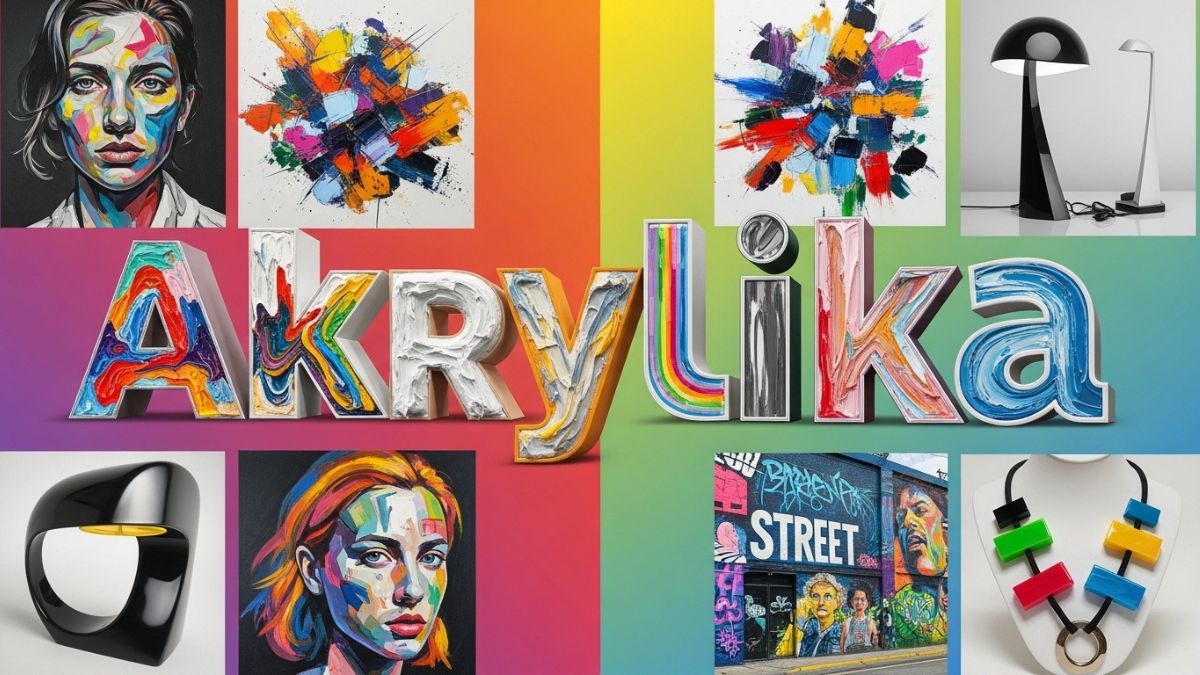
Are you ready to dive into the vibrant world of akrylika? This remarkable medium is reshaping how artists and designers express their creativity. With its unique properties and versatility, akrylika has captured the hearts of many, from seasoned professionals to enthusiastic beginners. Whether you’re an artist looking for new materials or simply someone who appreciates beautiful design, understanding akrylikas will open up a realm of possibilities. Join us as we explore its history, advantages, techniques for working with it, and innovative applications across various industries. The future of art and design is bright with akrylika at the forefront!
History and Origin of Akrylika
The history of akrylika begins in the mid-20th century. Artists were searching for a new medium that combined the vibrancy of color with versatility.
Acrylic paint was first developed in the 1940s. It quickly gained popularity due to its quick-drying properties and durability. This innovation allowed artists to create lively works without waiting long for layers to dry.
By the 1960s, akrylikas transformed contemporary art movements, particularly among abstract expressionists and pop artists. The ease of blending colors opened up endless possibilities.
As technology advanced, so did formulations of acrylic products. New additives improved texture, finish, and application techniques. Today, akrylika has become essential not only in fine arts but also in graphic design and industrial applications.
Its journey reflects both artistic evolution and technological innovation—a true testament to creativity’s boundless nature.
Advantages of Using Akrylika in Art and Design
Akrylika stands out for its vibrant color retention. Artists love how the hues remain bold and striking over time, allowing for expressive artwork that captivates viewers.
Another advantage is its quick drying time. This feature enables artists to layer colors efficiently without waiting too long between applications. The speed can truly enhance creative flow, making it easier to experiment with different techniques.
Durability is key as well. Akrylikas resists fading and yellowing, ensuring that pieces maintain their original beauty for years. It also holds up against water, which means finished works are more resilient in various environments.
Additionally, this medium is versatile across surfaces—from canvas and wood to textiles—opening endless possibilities for creativity. Whether in fine art or design concepts, akrylika provides flexibility that few other mediums can match.
Famous Artists and Designers Who Use Akrylika
Many renowned artists have embraced akrylika, captivated by its vibrant colors and versatility. One such figure is the contemporary artist Jennifer Pochinski. Her bold strokes and dynamic compositions showcase how akrylikas can elevate traditional painting techniques.
Another notable name in the world of design is Ian Davenport. His stunning poured paintings reveal a unique interplay between color and form, demonstrating akrylikas fluidity. Davenport’s work highlights how this medium allows for experimentation beyond conventional boundaries.
Fashion designer Issey Miyake has also explored akrylika in his innovative textile designs. The way he incorporates this material into wearable art signifies its reach beyond canvas into everyday life.
These creators illustrate just how transformative akrylikas can be across various artistic disciplines, inspiring others to experiment with its endless possibilities.
How to Work with Akrylika: Techniques and Tips
Working with akrylika opens a world of possibilities for artists and designers. Begin by experimenting with different surfaces like canvas, wood, or even fabric. Each medium interacts uniquely with akrylika.
Layering is a key technique to master. Apply thin layers for transparency or thicker ones for bold color statements. This flexibility allows for depth in your work.
Don’t shy away from mixing mediums. Akrylikas pairs beautifully with watercolors and pastels, creating intriguing textural contrasts.
Tools matter too; use brushes, palette knives, or even sponges to achieve various effects. A spray bottle can help keep paints moist while you work on intricate details.
Innovative Uses of Akrylika in Various Industries
Akrylika is making waves beyond traditional art. Its lightweight and durable nature makes it ideal for architecture. Designers use akrylika to create stunning facades that are not only eye-catching but also functional.
In the fashion industry, akrylikas offers endless possibilities. Designers incorporate this medium into accessories, transforming simple pieces into statement items that stand out on the runway.
The tech sector is also embracing akrylika. It’s used in product design, from sleek phone cases to stylish laptop covers. The clarity and gloss of akrylikas elevate everyday gadgets.
Even in interior design, this material shines bright. Akrylika serves as a beautiful alternative to glass for furniture and decor elements, providing safety without compromising aesthetics.
With its versatility across industries, akrylika continues to inspire innovation and creativity at every turn.
Future Outlook for Akrylika in the Art and Design World
The future of akrylika is bright and full of possibilities. As artists continue to explore new techniques, this medium evolves alongside them.
Emerging technologies like 3D printing and digital fabrication are making it easier to incorporate akrylika into innovative designs. These advancements open doors for experimentation, pushing boundaries in both art and functional design.
Sustainability also plays a crucial role in the future landscape of akrylikas. With growing awareness about environmental issues, eco-friendly formulations are gaining traction. Artists are eager to find materials that align with their values.
Collaboration between traditional artists and tech innovators will likely shape unique applications as well. Expect exciting projects that merge aesthetics with functionality using akrylika.
As more creators embrace this versatile medium, its presence in galleries, installations, and everyday objects will undoubtedly expand. The journey ahead promises an exhilarating blend of creativity and innovation driven by akrylika’s adaptability.
Conclusion
Akrylika is more than just a medium; it’s a transformative force in the world of art and design. Its rich history reflects a journey of innovation, from its early days to its modern applications. Artists and designers embrace akrylika for its versatility, vibrant colors, and ease of use.
The advantages are numerous: quick drying times, durability, and adaptability make it suitable for various styles and techniques. Many renowned artists incorporate akrylika into their works, pushing boundaries and creating stunning pieces that resonate with audiences.
Learning how to work with akrylika opens up endless possibilities. With simple techniques and tips, both beginners and seasoned artists can harness this medium’s full potential. Beyond traditional canvases, industries are exploring innovative uses for akrylika — from architectural designs to fashion statements.