







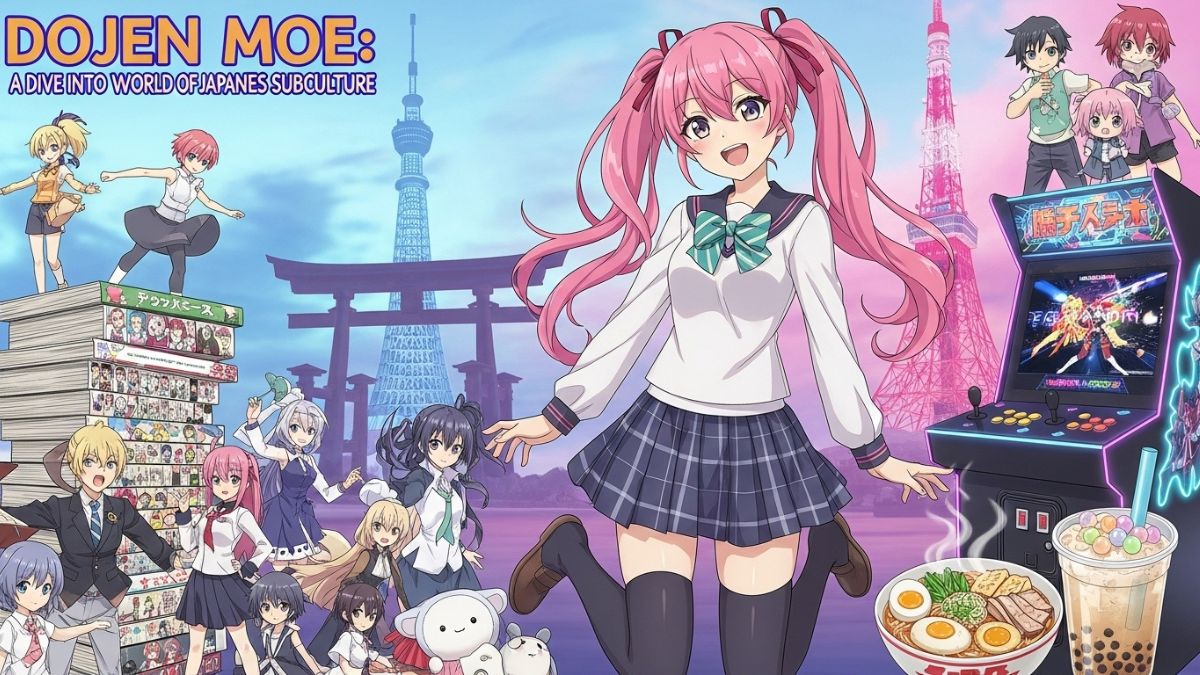
Step into the vibrant and eclectic world of Dojen Moe, a fascinating intersection where art, fantasy, and fandom collide. If you’ve ever been enchanted by cute characters or found yourself captivated by anime aesthetics, you’re in for a treat. This unique subculture from Japan offers an experience that goes beyond mere observation; it’s about immersion and expression. With its roots deeply embedded in Japanese pop culture, Dojen Moe is more than just a trend—it’s a lifestyle that celebrates creativity and community. Let’s embark on this journey to uncover what makes Dojen Moe so captivating!
History and Origins of Dojen Moe
Dojen Moe emerged in the early 2000s, rooted deeply in Japan’s vibrant otaku culture. It was a time when anime and manga began to permeate mainstream society more than ever before.
The term “moe” refers to an endearing affection towards characters within these media. Fans found themselves captivated by their favorite personalities, often leading to a sense of emotional connection that transcends mere fandom.
As technology advanced, so did this subculture. Online communities flourished, allowing enthusiasts to share content and engage with one another. This interaction played a crucial role in shaping Dojen Moe into what it is today.
Artistic expressions like fan art and doujinshi further fueled its growth. Artists sought new ways to depict beloved characters or create original ones inspired by existing narratives.
With each passing year, Dojen Moe evolved while maintaining its core essence—an unwavering admiration for the characters that resonate with fans on multiple levels.
Key Elements of Dojen Moe Culture
Dojen Moe culture thrives on specific characteristics that set it apart from other subcultures. One defining element is its emphasis on cute and youthful aesthetics. This often translates into characters with oversized heads, large eyes, and childlike features.
Another significant aspect is the community’s focus on creativity. Fans express their passion through various mediums—art, music, and storytelling are just a few examples. The DIY spirit encourages individuals to create something unique.
Collaboration plays an essential role in Dojen Moe as well. Artists come together for events like conventions or online platforms where they share ideas and works in progress.
The sense of belonging within this niche community fosters deep connections among enthusiasts. These bonds often extend beyond art, leading to friendships grounded in shared interests and experiences related to Dojen Moe culture.
Subgenres within Dojen Moe
Dojen Moe is a vibrant tapestry woven from various subgenres, each with its own unique flair. One of the most prominent is “Kawaii,” emphasizing cuteness and innocence. This style often features characters with oversized eyes and playful expressions, embodying joy and whimsy.
Another fascinating subgenre is “Gyaru,” which leans into bold fashion choices and distinct hairstyles. Gyaru culture celebrates individuality, making it a favorite among those who embrace edgy aesthetics.
Then there’s “Yuri,” focusing on romantic relationships between female characters. This genre deepens emotional connections, appealing to fans who appreciate nuanced storytelling.
“Shota” also finds its niche within Dojen Moe, highlighting young male protagonists in innocent scenarios that evoke warmth rather than discomfort. Each subgenre contributes to the richness of Dojen Moe’s universe while maintaining an undercurrent of shared values like community and creativity.
Influence on Japanese Pop Culture
Dojen Moe has woven itself into the fabric of Japanese pop culture, influencing various art forms. From anime to manga, its themes and aesthetics resonate deeply with fans. Characters embodying Dojen Moe traits often dominate popular series.
The fashion scene also reflects this subculture’s impact. Designers draw inspiration from Dojen Moe, blending cute and quirky styles that appeal to a broad audience. Street fashion in districts like Harajuku showcases these unique trends, creating a vibrant visual representation of the movement.
Moreover, video games have embraced Dojen Moe characters extensively. Many titles feature adorable mascots who capture players’ hearts while adding layers of charm to gameplay experiences.
This cultural phenomenon is not confined to Japan alone. It has sparked interest worldwide, inspiring fan art and conventions dedicated to celebrating this whimsical aspect of Japanese creativity. The global reach continues to grow as more people discover its enchanting allure.
Controversies Surrounding Dojen Moe
Dojen Moe has sparked its share of controversies, attracting both ardent fans and passionate critics. Some argue that the aesthetic’s portrayal of youth can verge on inappropriate, raising concerns about sexualization in media.
Critics often question the line between artistic expression and exploitation. These debates reflect larger societal tensions regarding representation and consent within subcultures. The hyper-stylized nature of Dojen Moe sometimes leads to misunderstandings about its intentions.
Moreover, some traditionalists lament the rise of such subcultures as a threat to Japanese cultural heritage. They fear it might overshadow more conventional forms of art and storytelling that have historically defined Japan’s creative landscape.
As communities form around this niche interest, differing opinions create friction within them. While many celebrate Dojen Moe for its creativity and unique style, others remain wary of the implications it carries in broader cultural conversations.
How to Get Involved in the Community
Dojin Moe enthusiasts can dive into this vibrant community through various platforms. Joining online forums and social media groups is a great start. Engage with fellow fans, share your thoughts, or simply enjoy the content others create.
Events like conventions offer an immersive experience. Attending these gatherings allows you to meet creators and fellow fans face-to-face. Check local listings or websites dedicated to Japanese culture for upcoming events.
Creating art or writing inspired by Dojen Moe can also forge connections within the community. Share your work on sites like Pixiv or fanfiction platforms. Feedback from peers can be incredibly rewarding.
Collaborating with other artists opens up new pathways too. You might find someone who shares your vision for a project, leading to exciting joint ventures that push creative boundaries! Networking pays off in unexpected ways when you engage genuinely with others in the space.
Conclusion
Dojen Moe is more than just a subculture; it’s an intricate tapestry woven from fandom, art, and community. Its origins reflect a unique blend of traditional Japanese culture with modern influences, resulting in something truly original. The key elements of Dojen Moe culture its characters, themes, and aesthetics draw enthusiasts into a world where creativity flourishes.
With its various subgenres like Kawaii and Otaku further enriching the landscape, there’s always something new to explore within this vibrant sphere. You can see the influence of Dojen Moe everywhere from anime series to fashion trends—showcasing its significance in shaping Japan’s pop culture narrative.
However, as with any movement that gains traction, controversies arise. Discussions around representation and ethics are prevalent within the community and warrant thoughtful consideration by those involved or interested.