










Imagine harnessing the sun’s energy to power your home, reduce your carbon footprint, and save money on electricity bills. Sounds appealing, right? Solar panels have emerged as a key player in the renewable energy landscape. As we become increasingly aware of climate change and environmental issues, more people are turning their attention to sustainable solutions like solar energy.
But what exactly are these fascinating devices that transform sunlight into usable power? In this blog post, we’ll dive deep into solar panels and explore their significance in our modern world. We’ll also break down key concepts found within TEAS passages related to solar technology, illuminating important themes and terminology along the way. Whether you’re prepping for an exam or simply curious about renewable energy options, this exploration will shed light on everything you need to know about solar panels.
The Importance of Solar Panels in Today’s World
Solar panels play a crucial role in addressing the energy crisis we face today. As fossil fuels deplete and climate change becomes more urgent, renewable energy sources like solar power offer a sustainable alternative.
Harnessing sunlight is not just eco-friendly; it’s also economically savvy. Solar panels can reduce electricity bills significantly over time. This financial incentive encourages homeowners and businesses to adopt this clean technology.
Moreover, solar energy contributes to job creation within the green sector. From manufacturing to installation, the industry supports millions of jobs worldwide.
Using solar panels helps lower greenhouse gas emissions, tackling pollution at its source. Every panel installed represents a step toward cleaner air and healthier communities.
As governments around the globe promote sustainability initiatives, investing in solar technology aligns perfectly with these goals. Embracing solar solutions demonstrates commitment towards a brighter future for our planet.
Understanding the TEAS Passage on Solar Panels
The TEAS passage on solar panels offers insights into how these technologies harness sunlight for energy. It breaks down complex concepts related to renewable resources and their impact on the environment.
Understanding this passage requires familiarity with key terms like photovoltaic cells, which convert sunlight directly into electricity. These components are essential in solar panel systems.
Moreover, the text explores how solar power contributes to reducing greenhouse gas emissions. This aspect highlights its significance in combating climate change.
Another critical point is the efficiency of different types of solar panels available today. Readers will find comparisons between monocrystalline and polycrystalline options, each having unique advantages and limitations.
By grasping these elements within the TEAS framework, individuals can better appreciate the role of solar technology in a sustainable future.
Key Concepts and Terminology Explained
When diving into the world of solar panels, understanding key concepts is essential. Solar energy harnesses sunlight to generate electricity through photovoltaic cells. These cells convert light directly into power.
Terms like “grid-tied” and “off-grid” are crucial. A grid-tied system connects to the local utility network, allowing users to draw from or contribute excess energy. Off-grid systems operate independently, storing energy in batteries for later use.
Another important concept is “net metering,” which credits homeowners for surplus electricity they send back to the grid. This can significantly lower monthly bills.
Efficiency ratings indicate how well a panel converts sunlight into usable energy, typically expressed as a percentage. Higher efficiency means more power generation from less space.
Understanding these terms lays the foundation for making informed decisions about solar technology and its benefits.
Main Ideas and Themes Explored
The TEAS passage on solar panels delves into several key themes that highlight their significance. One prominent idea is the role of solar energy in reducing carbon footprints. As societies strive for sustainability, solar panels emerge as a vital solution.
Another theme focuses on technological advancements. Innovations have made solar energy more efficient and accessible than ever before. This evolution not only boosts energy production but also lowers costs for consumers.
Economic implications are also explored. The transition to solar power presents job opportunities in installation, manufacturing, and maintenance sectors.
Moreover, the passage discusses policy influences shaping the adoption of this renewable resource. Government incentives can accelerate growth within the industry while promoting environmental responsibility.
Each concept interconnects, painting a comprehensive picture of why embracing solar technology is crucial today.
Benefits and Challenges of Solar Panels
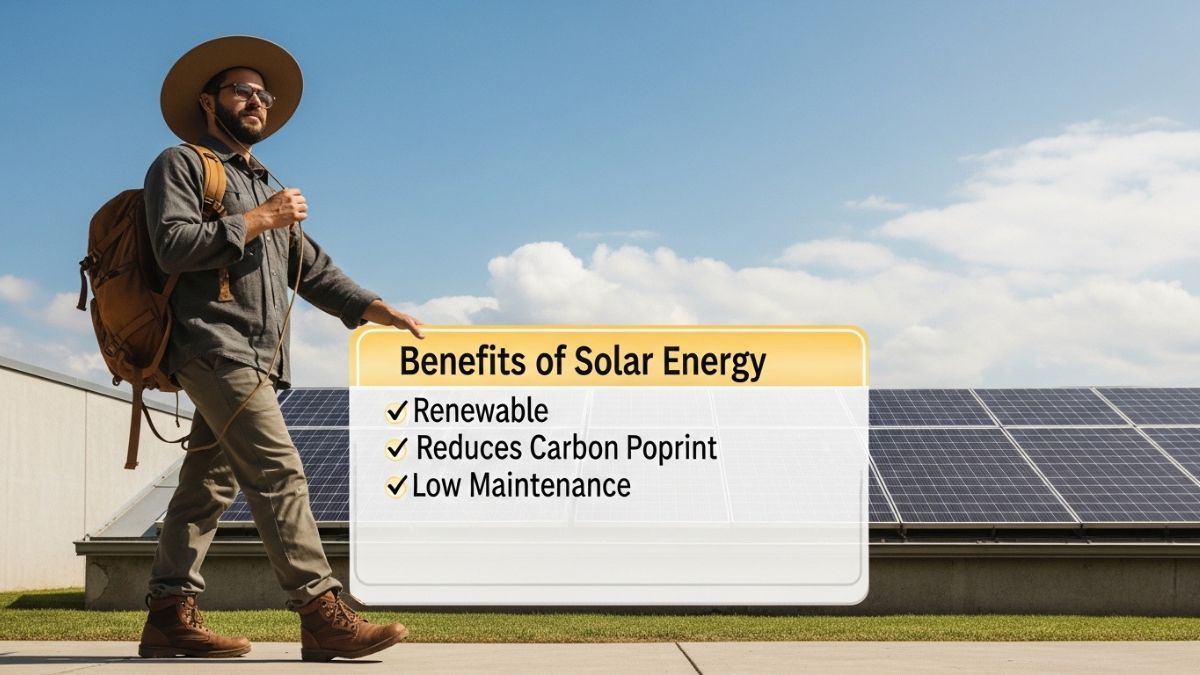
Solar panels offer a multitude of benefits. They harness renewable energy from the sun, reducing dependency on fossil fuels. This transition contributes to lower greenhouse gas emissions and combats climate change.
Additionally, solar panels can lead to significant savings on electricity bills. Many homeowners experience reduced utility costs after installation, making them an attractive long-term investment.
However, challenges exist too. The initial cost of purchasing and installing solar systems can be high for many families. Although prices have been decreasing, affordability remains a barrier.
Moreover, solar energy production is intermittent; it relies heavily on sunlight availability. Regions with less sunshine may find their systems less efficient compared to sunnier locales.
Maintenance is necessary to ensure optimal performance over time. While generally low-maintenance, occasional cleaning and inspections are vital for maximizing output efficiency.
Conclusion
Solar panels represent a pivotal advancement in renewable energy technology. Understanding their significance helps us appreciate their role in mitigating climate change and reducing reliance on fossil fuels. The TEAS passage provides valuable insights into the mechanisms, benefits, and challenges associated with solar panels.
Key concepts such as photovoltaic cells, efficiency rates, and installation costs are essential for grasping how solar energy works. These elements underscore the importance of making informed decisions when considering solar panel adoption.
The themes explored within the TEAS passage highlight both optimistic prospects for clean energy and some hurdles to overcome. While there are undeniable advantages—like lower electricity bills and environmental benefits—challenges like initial investment costs remain relevant considerations.