










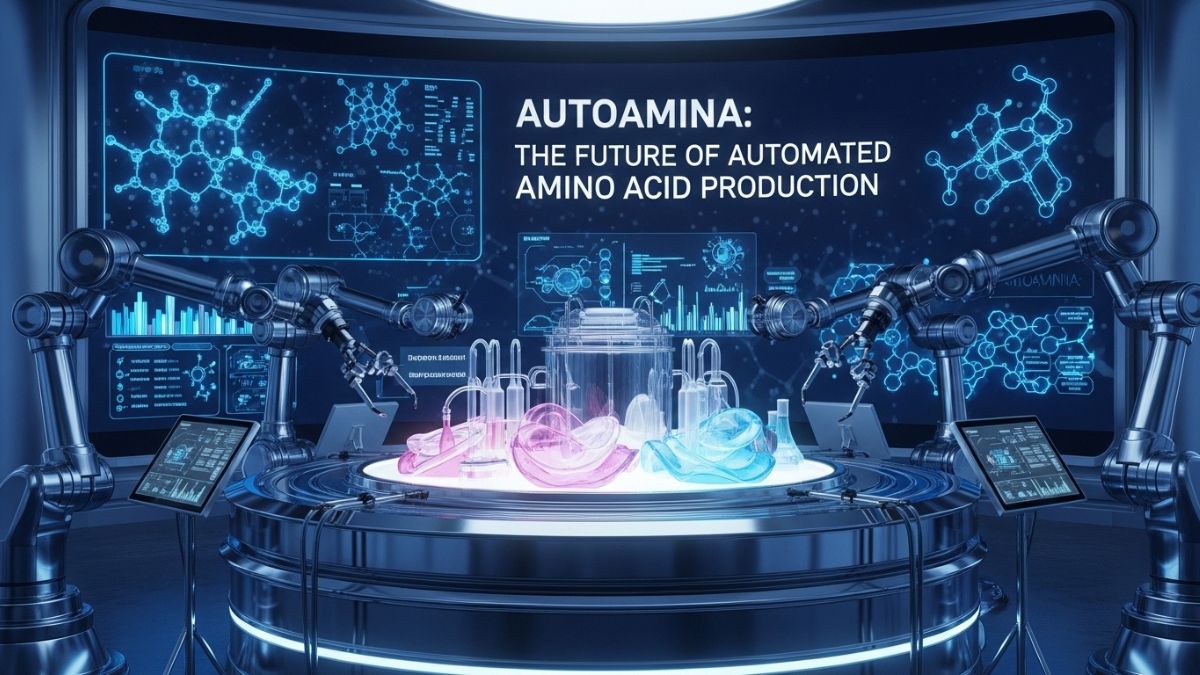
Imagine a world where the production of essential amino acids is as effortless as pushing a button. Welcome to the age of Autoamina, a revolutionary approach that promises to reshape how we create these vital building blocks of life. As industries increasingly seek efficient and sustainable solutions, automated amino acid production emerges as a game-changer in biotechnology. This innovative system not only enhances productivity but also aligns with our growing need for environmentally friendly practices. Let’s explore what makes Autoamina stand out and how it could transform various sectors for the better.
The Benefits of Autoamina
Autoamina revolutionizes the landscape of amino acid production. It streamlines complex processes, making them faster and more efficient. This technology reduces both time and energy consumption significantly.
Another essential benefit is precision. Autoamina ensures a high degree of accuracy in producing specific amino acids tailored to various needs. Industries can rely on consistent quality without worrying about batch variations.
Cost-effectiveness also plays a significant role. By automating the production process, companies can lower labor costs while maximizing output. The savings are substantial for businesses aiming to stay competitive in their markets.
Furthermore, Autoamina promotes sustainability by minimizing waste and optimizing resource use. Environmental concerns are increasingly pressing, and this method aligns with eco-friendly practices that help reduce carbon footprints across industries.
These benefits position Autoamina as a game-changer in amino acid production, setting new standards for efficiency and effectiveness.
Current Challenges in Amino Acid Production
Amino acid production faces several significant hurdles. Traditional methods often rely on extensive fermentation processes, which can be time-consuming and resource-intensive. This leads to substantial energy consumption and higher costs.
Another major issue is the environmental impact. Many production facilities generate waste that harms ecosystems, contributing to pollution. As sustainability becomes a priority across industries, these practices are increasingly scrutinized.
Quality control also remains a concern in amino acid production. Variability in raw materials can lead to inconsistencies in the final product, affecting everything from taste in food products to effectiveness in supplements.
Additionally, supply chain disruptions pose challenges for producers trying to meet demand. Geopolitical factors or natural disasters can stall shipments of necessary ingredients and technology, creating bottlenecks that hinder operations.
These obstacles highlight the urgent need for innovative solutions like Autoamina to revolutionize amino acid manufacturing processes.
How Autoamina Solves These Challenges
Autoamina tackles the complexities of amino acid production head-on. By utilizing cutting-edge automation technology, it streamlines processes that were once labor-intensive and time-consuming.
The system employs advanced algorithms to optimize production efficiency. This reduces waste and maximizes yield, addressing one of the industry’s biggest pain points.
Moreover, Autoamina integrates real-time data analytics, enabling constant monitoring and adjustments during production. This adaptability ensures consistent quality in every batch produced.
Another key solution is its modular design. It allows manufacturers to scale operations easily without significant upfront investment or extended downtime.
By simplifying these intricate processes, Autoamina not only enhances productivity but also promotes sustainability within the industry—an essential factor as global demand for amino acids continues to rise rapidly.
Applications of Autoamina in Different Industries
Autoamina is revolutionizing multiple sectors through its efficient amino acid production. In the pharmaceutical industry, it streamlines the creation of peptides and proteins used in drug development. This innovation not only shortens production time but also enhances purity.
In agriculture, Autoamina plays a crucial role by providing plant-based nutrients that boost crop yields. Farmers can rely on tailored amino acids to enhance soil health and promote sustainable practices.
The food and beverage sector benefits significantly as well. With Autoamina, manufacturers can produce high-quality flavor enhancers and nutritional supplements more cost-effectively.
Even the cosmetics industry sees value in this technology. Amino acids are vital for skin health and hydration, making them essential ingredients in various beauty products produced with precision and sustainability thanks to Autoamina’s capabilities.
Each application underscores how versatile this technology truly is across different fields.
The Future of Autoamina and its Impact on Society
The future of Autoamina is brimming with potential. As technology advances, the production of amino acids will become more efficient and cost-effective.
This innovation could revolutionize various sectors, from pharmaceuticals to food production. Imagine a world where customized amino acid profiles are tailored for individual health needs.
With reduced waste and enhanced sustainability, Autoamina can contribute to greener manufacturing practices. This shift could help lower carbon footprints across industries.
Moreover, the accessibility of high-quality amino acids may lead to breakthroughs in nutrition science. Enhanced dietary supplements could support better health outcomes worldwide.
As automated systems evolve, we might see increased collaboration between AI and human researchers. Such partnerships hold promise for discovering new applications that we have yet to imagine.
In this fast-paced landscape, society stands on the brink of transformation driven by Autoamina’s advancements in bioengineering and automation technology.
Conclusion
Autoamina represents a significant leap forward in the realm of amino acid production. As industries increasingly demand efficient, sustainable solutions, this innovative technology stands out as a beacon of progress. It not only addresses current challenges but also opens up new avenues for applications across various sectors.
The benefits are compelling — reduced costs, enhanced efficiency, and minimized environmental impact all contribute to a more viable future for amino acid production. With Autoamina leading the charge, we may witness transformative changes that benefit both businesses and consumers alike.
By embracing automation in this critical field, society can look forward to improved health products, fortified food supplies, and advanced pharmaceuticals. The journey toward widespread adoption may still have hurdles to overcome; however, the potential rewards are too great to ignore. The evolution of automated amino acid production is just beginning. Keeping an eye on Autoamina will be essential as it shapes our industrial landscape in exciting ways moving forward.