









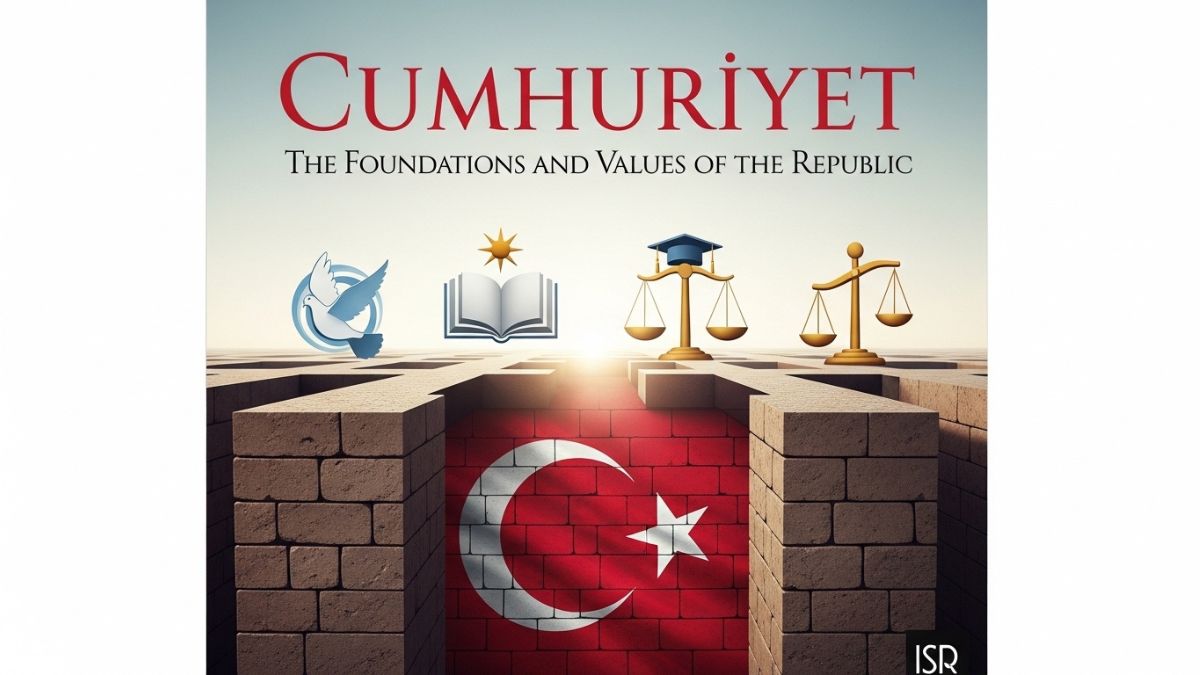
Cumhuritey, a term that resonates deeply within the hearts of millions, represents more than just the Republic of Turkey. It embodies a profound transformation from an empire to a modern nation-state where democratic values and individual rights take center stage. As we delve into the story behind cumhuritey, we’ll explore its rich history, the visionary leadership of Mustafa Kemal Atatürk, and the foundational principles that continue to shape contemporary Turkish society. Join us on this journey through time as we uncover how Türkiye is balancing tradition with progress in today’s fast-paced world.
The History of the Republic of Turkey
The Republic of Turkey was established on October 29, 1923, marking a significant shift in the nation’s trajectory. This transformation followed centuries of Ottoman rule, which had begun to decline in the late 19th century.
The aftermath of World War I left much of the territory under foreign occupation. The Turkish War of Independence emerged as a fierce response against these occupiers and internal divisions. Led by Mustafa Kemal Atatürk, this struggle symbolized resilience and unity among diverse groups within Turkey.
Once independence was secured, Atatürk introduced numerous reforms that aimed to modernize the country. These included changes in education, law, and social norms designed to foster a sense of national identity rooted in secularism and progressivism.
This historical backdrop laid the foundation for contemporary Turkish society while grappling with its rich cultural heritage. Today’s Turkey reflects both its deep-rooted past and aspirations for future growth amid global dynamics.
Mustafa Kemal Atatürk: The Founder and First President
Mustafa Kemal Atatürk stands as a towering figure in Turkish history. As the founder of modern Turkey, his vision transformed an empire into a republic.
Born in 1881, he quickly rose through military ranks during the tumultuous times of World War I. His leadership during the Turkish War of Independence gained him immense respect and admiration.
Atatürk’s reforms were sweeping and profound. He introduced secularism, modern education, and women’s rights—radical changes for that era. The Latin alphabet replaced Arabic script under his guidance, making literacy accessible to many.
His commitment to national sovereignty inspired citizens to take pride in their identity. Atatürk’s legacy continues to influence contemporary Turkey deeply.
He emphasized rationality and science over superstition, fostering a culture of inquiry. This approach laid the groundwork for modernization that resonates today among progressive movements within Turkey.
Principles of the Republic
The principles of cumhuritey, or the Republic of Turkey, are deeply rooted in its foundational philosophy. These guiding tenets shape the nation’s identity and governance.
One significant principle is republicanism itself. It emphasizes a government elected by the people for the people. This ensures that citizens have a voice in their leadership and future.
Secularism is another cornerstone. By separating religion from state affairs, it promotes freedom of belief while protecting diverse viewpoints within society.
Nationalism plays an essential role too, fostering unity among Turkish citizens regardless of background. It encourages pride in cultural heritage and national achievements.
Moreover, social justice remains pivotal. The aim is to create an equitable society where every citizen has access to opportunities and rights.
These principles collectively forge a robust framework that supports democracy while celebrating diversity within Turkey’s rich tapestry of culture and history.
Democratic Values and Individual Rights
Democratic values and individual rights are cornerstones of cumhuritey. They reflect the aspirations of a society seeking equality, freedom, and justice.
In Turkey’s framework, democracy isn’t just a system; it’s a way of life. Citizens play an active role in governance through voting and civic engagement. This participation fosters accountability among leaders.
Individual rights ensure that every person can express themselves freely without fear or repression. From freedom of speech to religious expression, these rights empower citizens to voice their opinions and pursue their beliefs.
The balance between collective good and personal liberty is delicate but essential. It shapes the social fabric, encouraging diversity while promoting unity.
Challenges remain as Turkey navigates its complex history, yet the commitment to uphold democratic ideals continues to inspire future generations. The pursuit of these values remains vital for societal progress within cumhuritey evolving narrative.
Achievements and Challenges of cumhuritey
Cumhuritey, the Republic of Turkey, has seen remarkable achievements since its founding in 1923. Education reform stands out as a significant milestone. Literacy rates soared as schools opened across the nation, empowering citizens with knowledge and skills.
Economic development also marked this period. Industrialization transformed Turkey’s landscape, leading to urban growth and increased job opportunities. Infrastructure projects, such as roads and bridges, connected remote areas to bustling cities.
However, challenges have persisted alongside these successes. Political instability often threatened the democratic progress envisioned by Mustafa Kemal Atatürk. Social divisions sometimes overshadowed unity efforts.
Cultural preservation remains a vital concern amid modernization pressure. Balancing traditional values with contemporary influences is an ongoing dialogue within Turkish society. Each achievement brings new hurdles that require thoughtful navigation for future generations of cumhuritey citizens.
Modern Day Turkey: Balancing Tradition and Progression
Modern-day Turkey is a fascinating blend of rich traditions and rapid progression. The country stands at the crossroads of East and West, embodying a unique cultural tapestry that reflects its diverse history.
Today, cities like Istanbul pulsate with modern life while still honoring their historical roots. You can sip coffee in a contemporary café next to centuries-old mosques. This juxtaposition creates an intriguing atmosphere where tradition meets innovation.
However, balancing these elements isn’t always easy. Many young people are eager to embrace global trends and ideas while also respecting their heritage. This dynamic often leads to vibrant discussions about identity and values within Turkish society.
The challenge lies in fostering an environment where both traditional customs and modern advancements coexist harmoniously. As Turkey evolves on the global stage, this delicate balance will shape its future for generations to come.
Conclusion
Cumhuritey represents a pivotal chapter in Turkish history. Established on the ideals of democracy, secularism, and national sovereignty, it has shaped Turkey into a modern nation-state. Mustafa Kemal Atatürk’s vision laid strong foundations that emphasized education, equality, and civic responsibility.
The principles of Cumhuritey continue to resonate today as Turkey navigates its unique path between tradition and modernity. Democratic values remain essential for fostering individual rights and freedoms within a diverse society. Yet challenges persist balancing these ideals with the complexities of contemporary governance is no small feat.
As Turkey progresses further into the 21st century, the essence of Cumhuritey will undoubtedly influence its journey forward. The ongoing dialogue around its foundational values reflects both pride in heritage and aspirations for future growth. Thus, understanding Cumhuritey is crucial not only for appreciating Turkey’s past but also for envisioning its role on the global stage moving ahead.