








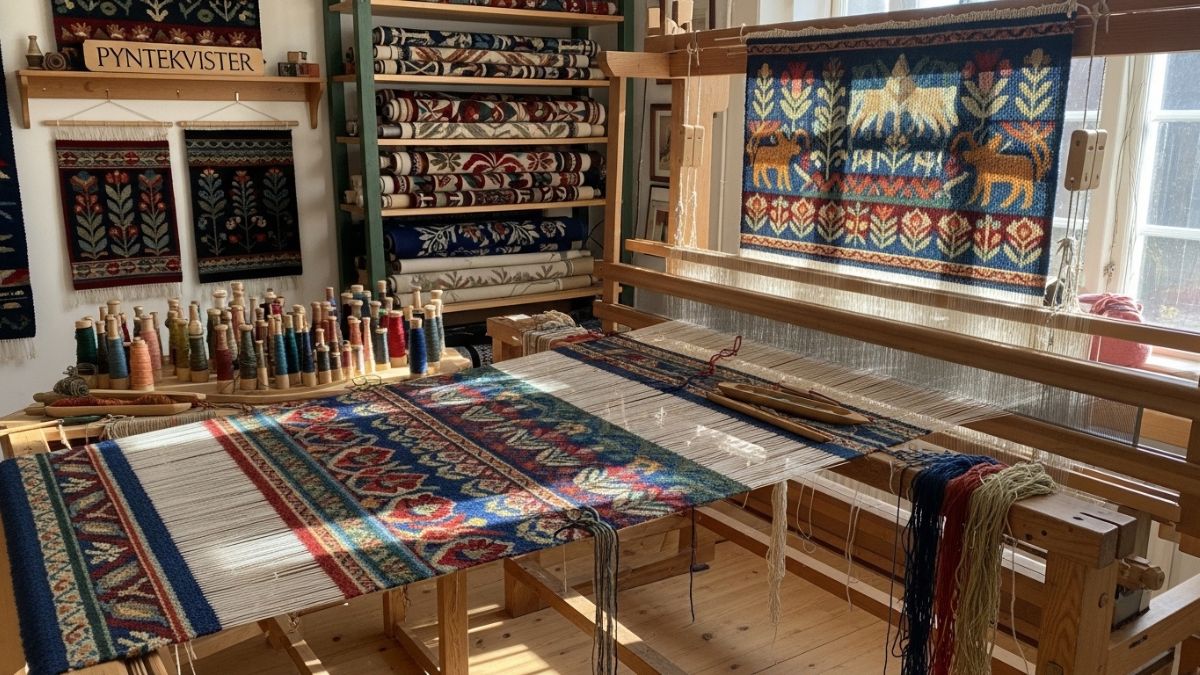
Welcome to the vibrant world of Pyntekvister, a captivating form of Scandinavian weaving that has woven its way into hearts and homes. If you’ve ever marveled at the intricate patterns adorning traditional Nordic textiles, you’re in for a treat. Pyntekvister is not just an art; it’s a celebration of history, culture, and creativity. Originating from the rich tapestry of Scandinavia, this unique craft invites both beginners and seasoned artisans alike to explore their own artistic expressions while connecting with centuries-old traditions. Ready to dive deeper? Let’s unravel the fascinating story behind Pyntekvister together!
The History and Evolution of Pyntekvister
Pyntekvister traces its roots back to the Nordic regions, particularly Sweden and Norway. This weaving technique emerged in rural communities as a practical way to create functional textiles. Originally used for making household items like sacks and blankets, it soon evolved into an art form.
The craft flourished during the 18th century when local artisans began experimenting with patterns and colors. As trade routes expanded, so did influences from other cultures, enriching Pyntekvister’s designs.
By the 19th century, it became a symbol of Scandinavian identity. Artists infused modern aesthetics while preserving traditional techniques.
Today, Pyntekvister is not just about utility; it’s a celebration of heritage and creativity that continues evolving with contemporary trends. The blend of history and innovation keeps this unique craft alive in various forms across Scandinavia and beyond.
Materials Needed for Pyntekvister
To embark on your Pyntekvister journey, you’ll need a few essential materials. Start with high-quality yarn. Cotton and wool are popular choices for their durability and texture.
Next, gather weaving tools. A simple loom will suffice for beginners. You might also want to invest in a shuttle or bobbin to help manage your threads easily.
Don’t forget about scissors! Sharp scissors will make it easier to trim any loose ends as you work through intricate designs.
A measuring tape is handy too, ensuring that your patterns maintain the right dimensions throughout the process.
Keep some color swatches nearby for inspiration. The vibrant hues of Scandinavian culture can guide your creative choices as you weave stunning pieces of art that reflect this unique tradition.
Step-by-Step Guide on How to Create a Basic Pyntekvister Design
Creating a basic pyntekvister design can be a rewarding experience. Start by gathering your materials: colorful yarns, scissors, and a sturdy loom.
Begin with the loom set up, ensuring it’s secure. Choose your base color for the warp threads and string them onto the loom tightly.
Next comes the fun part—selecting your weft colors! Use contrasting shades to make your pattern pop. Weave under and over each warp thread using a shuttle or simply your fingers, keeping tension even as you go.
As you progress, don’t hesitate to experiment with different weaving techniques like twills or loops for added texture. Once you’ve reached your desired length, carefully cut it from the loom.
Finish off by tying knots at both ends to secure everything in place. Your first basic pyntekvister piece is now ready!
Different Variations and Patterns of Pyntekvister
Pyntekvister is a canvas for creativity. Artisans have developed countless variations that reflect cultural nuances and personal styles.
One popular pattern features geometric shapes, intertwining lines that create mesmerizing illusions. These designs often embody harmonious symmetry, drawing the eye in.
Floral motifs are another beloved variation. Delicate blossoms weave through the fabric, telling stories of nature’s beauty. Each piece becomes a tribute to the scenery surrounding its creator.
Some artists experiment with bold color palettes, creating striking contrasts that elevate traditional techniques. These modern takes breathe new life into classic patterns while retaining their roots.
Textures also play an essential role in pyntekvister creations. Combining different weaving techniques adds depth and dimension, making each work truly unique.
Whether minimalist or ornate, variations of pyntekvister continue to evolve as artisans push boundaries and explore new possibilities within this rich tradition.
Modern Applications and Uses of Pyntekvister
Pyntekvister has found a resurgence in modern design, captivating artists and crafters alike. Its intricate techniques are now being integrated into home decor, with woven wall hangings and table runners gaining popularity.
Fashion designers have also embraced this traditional craft. Textile patterns inspired by pyntekvister appear on clothing items, adding cultural depth to contemporary wardrobes.
Moreover, workshops and online courses are springing up worldwide. They invite newcomers to explore the art of weaving while preserving its rich heritage.
Social media platforms showcase stunning examples of pyntekvister creations, inspiring a community of enthusiasts committed to keeping the tradition alive.
From cozy blankets to unique accessories, pyntekvister’s versatility allows it to transcend mere artistry; it becomes a lifestyle choice for many who appreciate craftsmanship blended with modern aesthetics.
Conclusion
Pyntekvister is more than just a weaving technique; it’s a tapestry of culture, history, and creativity. This distinctive Scandinavian art form invites both artisans and enthusiasts to explore its intricate patterns and methods. As you dive into the world of pyntekvister, you’ll find that it not only connects you to Nordic traditions but also allows for personal expression in your creations.
Whether you’re interested in crafting traditional designs or experimenting with modern applications, the joy of working with your hands and creating something beautiful remains at the heart of this practice. With each piece woven, there’s an opportunity to learn about its rich history while making something uniquely yours.