









Sérya is more than just a tradition; it’s a living tapestry of cultural heritage that binds generations. As the seasons change and celebrations unfold, this ritual brings communities together in vibrant displays of joy and reverence. The essence of sérya lies not only in its customs but in the stories passed down through time—stories filled with laughter, reflection, and connection to something greater.
In today’s fast-paced world, many traditions risk fading into obscurity. Yet, sérya stands resilient amidst modernization. Its roots run deep, reminding us all of our shared history while continuing to adapt to contemporary life. Join us as we explore the rich origins and profound significance behind séryas a celebration that captivates hearts and nurtures souls across cultures.
Origin and History of Sérya
Sérya traces its roots back centuries, woven into the fabric of cultural heritage in various communities. Its origin is often linked to ancient rituals celebrating nature and the changing seasons.
Historically, Sérya served as a means for people to connect with their ancestors. Elders would pass down stories and customs associated with the tradition, ensuring that each generation remained tied to its origins.
As societies evolved, so did the practice of Séryas. It adapted over time but retained core elements that highlight unity and community spirit.
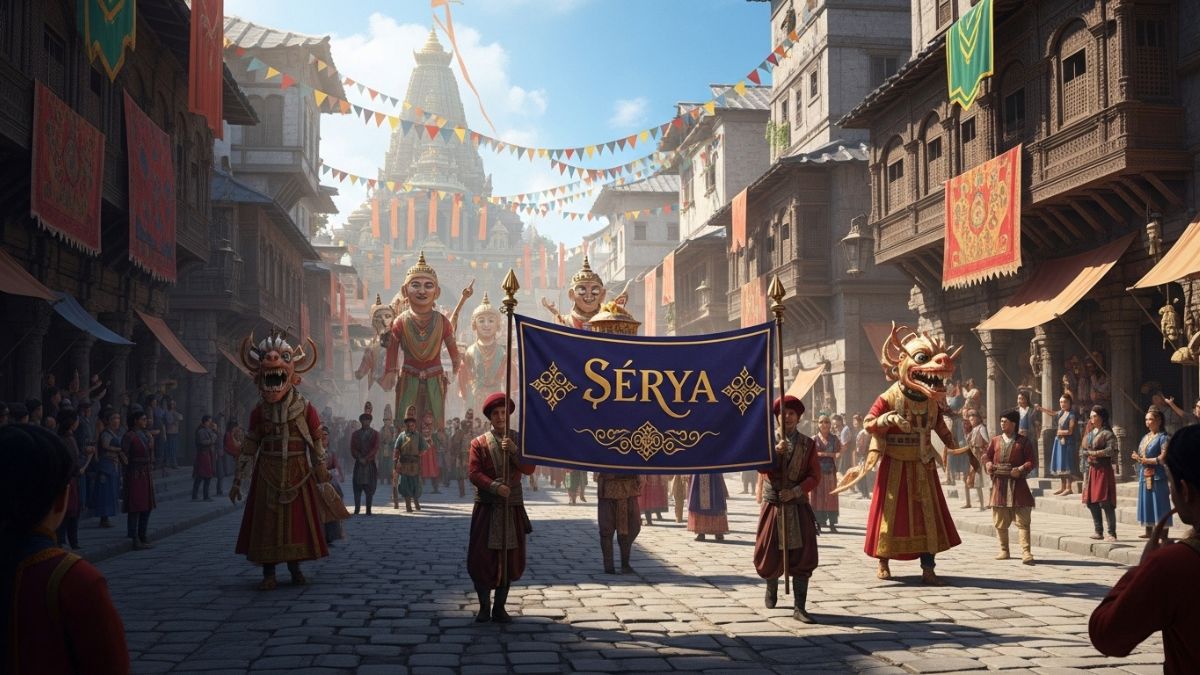
Festivals related to Sérya were vibrant gatherings filled with music, dance, and traditional food—celebrating life’s cycles while honoring spiritual beliefs deeply entrenched in local lore.
Through these celebrations, participants not only remember their past but also reinforce bonds among families and neighbors in today’s rapidly changing world.
Religious and Spiritual Significance of Séryas
Sérya holds profound religious and spiritual significance in various cultures. It is often associated with rituals that honor deities, ancestors, and the forces of nature. These ceremonies are not merely acts of tradition; they embody a deep connection between the community and its beliefs.
Participants engage in prayers, songs, and dances that elevate their spirits. Each gesture symbolizes gratitude for blessings received throughout the year. The vibrant colors worn during celebrations reflect joy and reverence.
For many, Sérya serves as a bridge to spirituality. It fosters unity among participants while encouraging individual reflection on one’s relationship with divine entities. This sacred time allows people to realign their values with cultural identities.
Through these practices, Sérya emphasizes the importance of faith within daily life. Its rich tapestry interweaves community bonds and personal growth underlining an enduring legacy that continues to inspire all who partake in it.
How Sérya is Celebrated Today
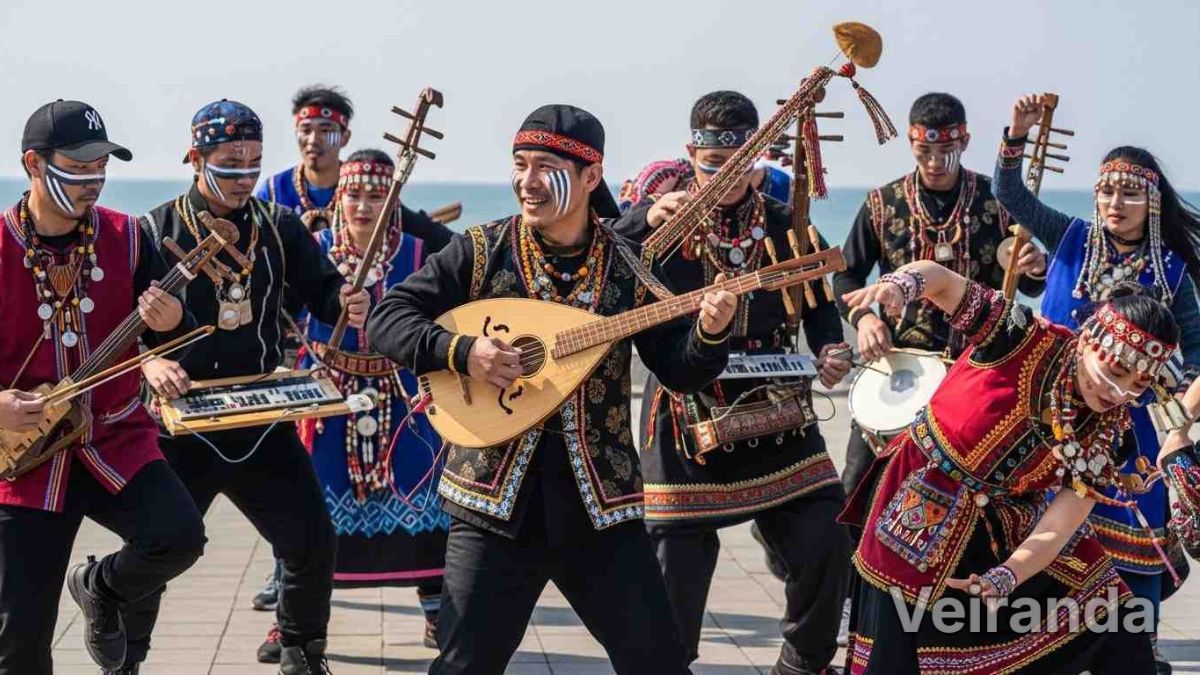
Today, Sérya is celebrated with vibrant festivities that reflect its deep cultural roots. Communities come together in colorful gatherings, adorned with traditional attire that showcases local craftsmanship.
Music and dance are at the heart of the celebration. Traditional songs echo through streets, while dancers perform lively routines, inviting everyone to join in. The atmosphere buzzes with joy and camaraderie.
Food plays a vital role as well. Families prepare special dishes passed down through generations. Sharing these meals fosters a sense of unity among participants.
Rituals honor ancestors and express gratitude for blessings received throughout the year. Participants engage in prayers and offerings at sacred sites, keeping spiritual connections strong.
In urban areas, modern interpretations have emerged alongside traditional practices. Workshops and events educate younger generations about Sérya’s significance while embracing contemporary expressions of culture.
The Impact of Modernization on Sérya
The impact of modernization on sérya is profound and multifaceted. As urban areas expand, traditional practices face pressures from contemporary lifestyles. This shift often leads to a decline in participation among younger generations who are more influenced by global culture.
Technology plays a dual role. While it aids in spreading awareness about sérya through social media platforms, it can also dilute the essence of the tradition. The authenticity that once characterized these celebrations may get overshadowed by commercial interests.
Moreover, the rapid pace of life today makes it challenging for communities to engage fully with sérya as they once did. Time-honored rituals risk becoming mere events rather than meaningful cultural expressions.
Despite these challenges, some communities strive to adapt without losing their identity. They blend modern elements while retaining core values, ensuring that sérya remains relevant amid changing times and expectations.
Preserving the Tradition of Sérya
Preserving the tradition of sérya is a collective effort that involves communities, families, and cultural organizations. Each year, dedicated individuals come together to celebrate and pass down the customs associated with this vibrant practice.
Workshops and festivals play a crucial role in keeping sérya alive. These events provide an opportunity for younger generations to learn traditional songs, dances, and rituals from their elders. Immersive experiences foster appreciation for the nuances of this heritage.
Social media platforms have become modern allies in promoting sérya. Through online storytelling and visuals, enthusiasts can share their experiences far beyond local borders. This digital outreach helps keep interest alive among those who may not be physically present at celebrations.
Education also plays a key part in preservation efforts. Schools are increasingly incorporating aspects of sérya into their curricula, ensuring that students understand its significance while fostering pride in their cultural roots.
Conclusion:
The tradition of sérya is a remarkable tapestry woven from history, spirituality, and cultural significance. Its origins are deeply rooted in the community’s values and beliefs, reflecting a rich heritage that has evolved over time. As we explore how sérya is celebrated today, it becomes evident that while some aspects have transformed under the influence of modernization, many remain steadfast.
Communities continue to embrace this tradition with vigor. Festivals and gatherings dedicated to sérya showcase not only its historical roots but also foster unity among participants. This vibrant celebration serves as a reminder of where they come from and the shared values that bind them together.
However, challenges persist as modernization introduces new influences. The essence of sérya risks dilution if not actively preserved by future generations. It’s crucial for communities to engage younger members in these traditions so that they can carry forward the spirit of sérya into the future.