










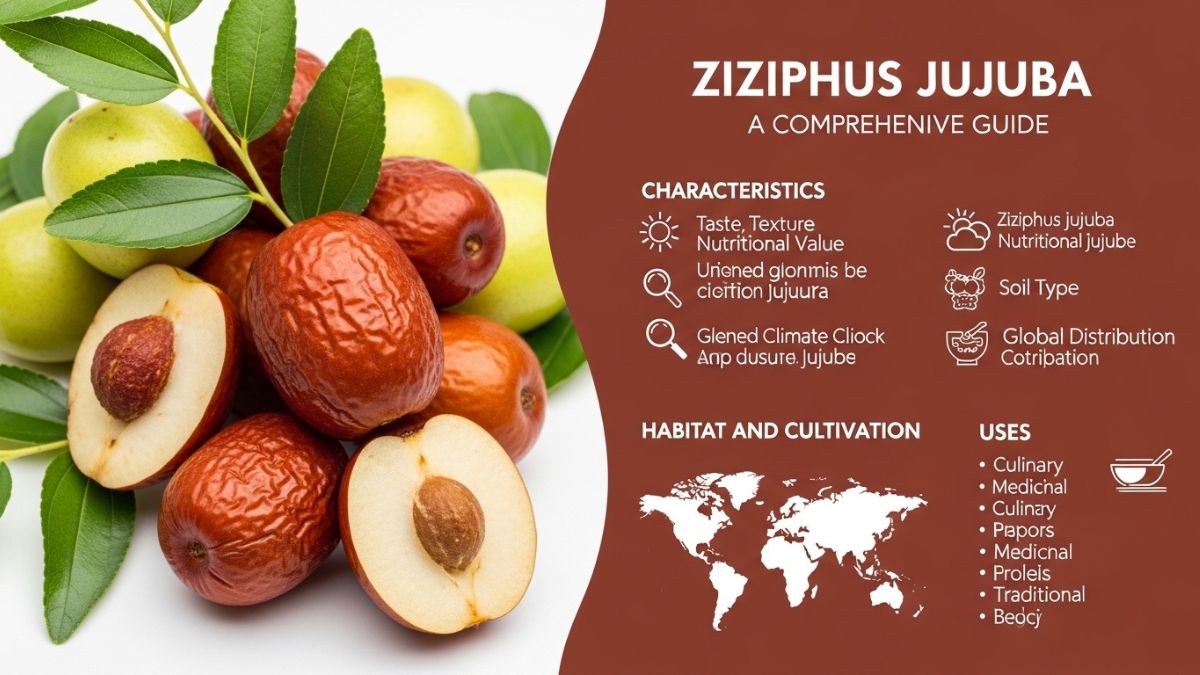
Meet the žižole, a fascinating creature that often goes unnoticed in the rich tapestry of nature. This remarkable organism is not just another face in the crowd; it plays a unique role within its ecosystem. With an intriguing mix of physical traits and behavioral quirks, the žižole captivates anyone who takes a moment to observe it.
But what exactly makes this species so special? From their distinctive characteristics to their preferred habitats, there’s much to uncover about these little wonders. Join us on this exploration as we delve deep into the world of žižole and discover why they deserve our attention and protection. Whether you’re a seasoned naturalist or simply curious about wildlife, there’s something here for everyone!
The Physical Characteristics of Žižole
Žižole, often referred to as the European hornet, exhibits striking physical traits that set it apart from other insects. Its body is robust and elongated, typically measuring between 2 to 3 inches in length. The coloration ranges from a deep yellow to rich brown, adorned with distinctive black stripes.
One of its most notable features is the large head equipped with powerful mandibles. These jaws allow Žižoles to chew through tough materials like wood and plant fibers.
The wings are transparent and veined, reflecting sunlight beautifully when in flight. They can beat rapidly as this insect darts gracefully through its habitat.
Additionally, Žižole possesses long antennae that enhance its sense of smell. This helps it locate food sources efficiently while navigating its environment with ease. Each characteristic contributes to the unique identity of this fascinating species within the ecosystem.
Habitat and Distribution of Žižole
Žižole thrive in diverse environments, showcasing their adaptability. They are often found in wetlands, along riverbanks, and within lush forests. These areas provide essential resources for their survival.
The distribution of žižoles spans across various regions. They can be spotted from temperate zones to subtropical climates. This wide range indicates their ability to flourish under different conditions.
Water quality plays a crucial role in their habitat selection. Clean freshwater bodies with ample vegetation support healthy populations of žižole. Their presence often reflects the ecological balance of these ecosystems.
In urban settings, they may inhabit parklands or gardens where water is available. It’s fascinating how adaptable these creatures can be while still requiring specific environmental factors for optimal growth and reproduction.
Life Cycle and Reproduction of Žižoles
Žižole exhibit fascinating reproductive behaviors that captivate researchers. Their breeding season usually occurs in late spring, coinciding with warmer temperatures and abundant food sources.
During this time, male žižole compete for territory and attract females through vibrant displays. Courtship rituals involve intricate dances and vocalizations, showcasing their health and vitality.
Once a female selects a mate, she lays eggs in clusters on suitable vegetation. This choice is crucial as it provides protection against predators and ensures the developing young have immediate access to nourishment.
The eggs hatch within a few days under optimal conditions. The larvae emerge ready to embark on their journey of growth. They undergo several molting stages before finally transitioning into mature adults.
The entire life cycle of žižole emphasizes adaptability. Their ability to thrive in various environments speaks volumes about their resilience as a species.
Importance of Žižole in Ecosystems
Žižole play a vital role in their ecosystems. These creatures contribute significantly to the food web, supporting various predators and maintaining biodiversity.
Their presence indicates a healthy environment. As they thrive, it suggests that habitats are balanced and resources are available for other species.
Moreover, žižole assist in pollination processes. While searching for food, they inadvertently transfer pollen from one plant to another. This interaction boosts plant reproduction and contributes to ecosystem resilience.
In addition to their ecological functions, žižole help with soil aeration through their burrowing activities. This behavior enhances nutrient cycling and promotes healthier growth of vegetation around them.
As integral components of their surroundings, žižole highlight the interconnectedness of life forms within an ecosystem. Their decline could signal larger environmental issues that demand attention and action for preservation efforts.
Threats to the Survival of Žižole
The survival of žižole faces several daunting threats that jeopardize its existence. Habitat loss is a primary concern, as urbanization and agricultural expansion encroach on their natural environments. This leads to fragmentation of populations, making it difficult for them to thrive.
Pollution poses another significant risk. Contaminants in soil and water can adversely affect their health, reducing reproductive success and increasing mortality rates.
Climate change also plays an essential role in the decline of žižole populations. Altered weather patterns disrupt migration habits and food availability, pushing these creatures further towards the brink.
Invasive species often compete for resources or introduce diseases that native žižole have no defense against. Each of these factors compounds the challenges they face in maintaining healthy populations within ecosystems where they once thrived.
Conservation Efforts for Žižole
Conservation efforts for žižole are crucial to protect this unique species. Various organizations have launched initiatives focused on habitat restoration. These projects aim to replenish areas where the žižole once thrived.
Community involvement plays a vital role in these conservation strategies. Local volunteers participate in clean-up drives and educational workshops, raising awareness about the importance of preserving natural habitats.
Research is also key. Scientists study the behavior and ecology of žižole to better understand their needs. This data informs effective management plans, ensuring that conservation practices align with biological requirements.
International cooperation has emerged as another significant aspect. Countries share best practices and resources, creating a unified front against threats faced by žižole populations.
Funding remains an essential component for ongoing efforts. Grants from environmental agencies support various projects aimed at safeguarding this remarkable species for future generations.
Conclusion
Žižole play a vital role in maintaining the balance of their ecosystems. Understanding their characteristics and habitats allows us to appreciate these fascinating creatures more deeply. The unique physical traits of žižole, coupled with their specific habitat needs, highlight the intricacies of nature.
Their life cycle showcases the complexity of reproduction and growth, which is essential for sustaining populations. However, as threats loom large due to environmental changes and human activities, it becomes increasingly important to focus on conservation efforts aimed at protecting them.
By raising awareness about žižole and supporting initiatives that promote their survival, we can contribute positively to biodiversity. Ensuring a future for these remarkable organisms means preserving not just them but also the intricate web of life they are part of. So let’s embrace our responsibility towards preserving this precious species while fostering an appreciation for all aspects of our natural world.