









Deep within the vibrant tapestry of cultural heritage lies a fascinating group known as the ciulioneros. This unique community encapsulates rich traditions, captivating beliefs, and an enduring spirit that resonates through generations. But who exactly are the ciulioneros? Their story unfolds like a beautifully woven fabric, blending history with modern influences while addressing both challenges and celebrations.
As we embark on this exploration of ciulionero culture, prepare to uncover their origins, traditional practices, and how they have adapted over time. The journey promises to be enlightening—one that sheds light on a remarkable aspect of cultural diversity waiting to be appreciated by all.
The Origins of Ciulionero Culture
The origins of Ciulionero culture are steeped in rich history and tradition. Emerging from a blend of indigenous practices and influences, the Ciulioneros have cultivated a unique identity.
Historically, their roots trace back to ancient communities that prioritized harmony with nature and ancestral worship. This connection to the earth remains central to their beliefs today.
As time progressed, external influences introduced new elements into their cultural tapestry. Trade routes opened up exchanges with neighboring cultures, enriching their traditions while maintaining core values.
Language plays a vital role in this heritage as well. The nuances within Ciulionero dialects reflect deep connections to folklore and spirituality.
Art forms associated with this culture—such as music and dance—also echo these origins. They serve not just as entertainment but as vessels for storytelling, preserving tales of bravery, love, and resilience through generations.
Traditional Ciulionero Practices and Beliefs
Traditional Ciulionero practices are steeped in rich symbolism and community bonding. These rituals often revolve around nature, emphasizing a deep respect for the environment. The cycles of planting and harvesting hold significant importance, marking times of celebration.
Storytelling plays a crucial role in preserving history and values within the Ciulionero culture. Elders share tales that weave together lessons about courage, love, and perseverance. This oral tradition fosters unity among generations.
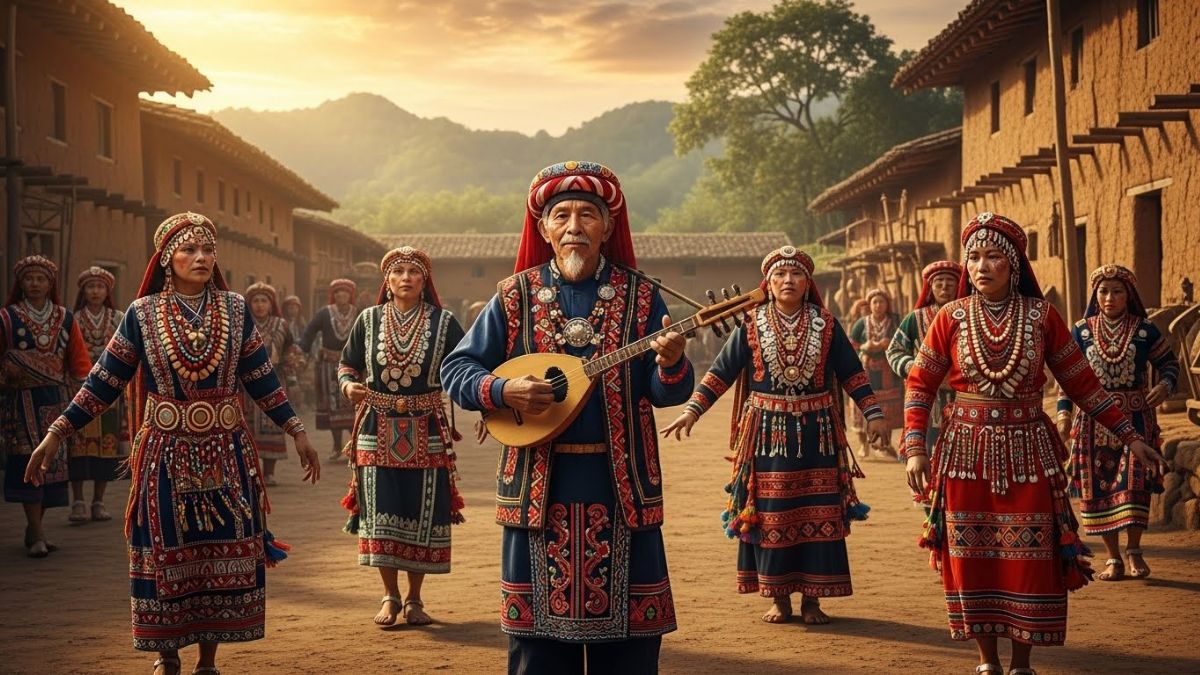
Ceremonial gatherings are vibrant expressions of identity. Participants don colorful attire adorned with unique patterns that reflect their heritage. Music and dance fill the air, creating an electric atmosphere where joy thrives.
Spiritual beliefs are intertwined with daily life. Many Ciulioneros see themselves as stewards of their land and ancestors’ legacies. They honor deities through offerings and prayers, strengthening their connection to both past and present realities.
Modern Adaptations and Influences on Ciulionero Culture
Ciulionero culture has evolved significantly in recent years, blending traditional elements with contemporary influences. Young members of the community are embracing modern technology, using social media platforms to share their heritage and connect with a broader audience.
Artistic expressions have also transformed. Traditional music and dance now incorporate new genres and styles, appealing to younger generations while maintaining core cultural themes. This fusion creates vibrant performances that resonate on multiple levels.
Fashion is another area where adaptations thrive. Ciulioneros infuse traditional attire with modern designs, creating unique pieces that celebrate identity without compromising comfort or style.
Even culinary practices reflect this evolution. Traditional recipes often include global ingredients, resulting in innovative dishes that attract curiosity from outsiders and food enthusiasts alike.
These adaptations highlight the resilience of ciulioneros as they navigate a rapidly changing world while remaining rooted in their rich cultural legacy.
Controversies Surrounding Ciulioneros
The ciulioneros have faced their share of controversies over the years. Critics often question the authenticity of their practices and beliefs, suggesting that modern influences dilute traditional values.
Some argue that commercialization has overshadowed genuine cultural expressions. This concern arises as festivals become more about spectacle than substance, attracting tourists but alienating local communities.
Moreover, tensions exist within the ciulionero community itself. Younger generations sometimes clash with elders regarding which traditions to uphold and how they should evolve in contemporary society.
Debates also swirl around the portrayal of ciulioneros in media. Stereotypes can perpetuate misconceptions, leading to a lack of understanding among outsiders.
These controversies highlight a dynamic culture grappling with change while striving to maintain its identity amidst external pressures.
Preserving and Celebrating Ciulionero Heritage
Preserving the heritage of ciulioneros is a vibrant endeavor rooted in community engagement. Families gather to share stories passed down through generations, weaving the fabric of their identity.
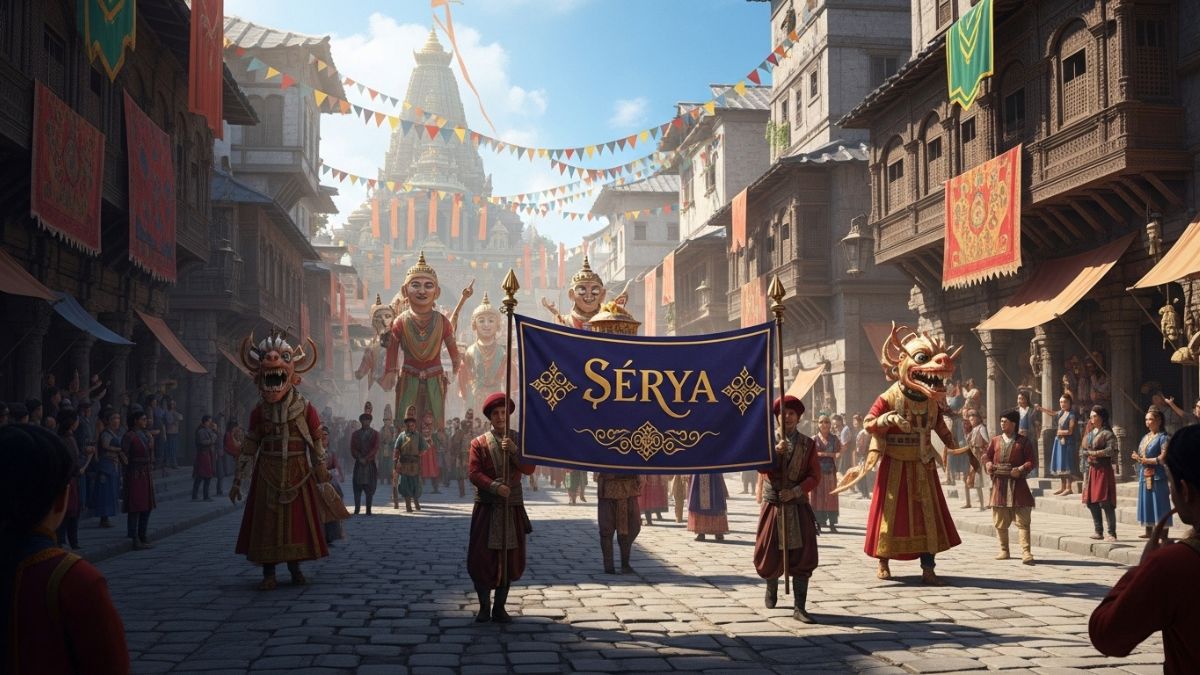
Festivals play a crucial role in this preservation. Colorful parades and traditional music fill the streets, allowing younger generations to experience their culture firsthand. Dance, art, and cuisine come alive during these celebrations.
Educational initiatives are also vital. Workshops on traditional crafts ensure that skills are not lost over time. Young people learn about ancient rituals and practices that define what it means to be ciulionero.
Social media has become an unexpected ally in this cultural revival. Online platforms allow individuals to connect globally while sharing their unique traditions with wider audiences.
Through these efforts, the spirit of ciulioneros remains dynamic and resilient, thriving amidst modern influences yet deeply anchored in rich history.
Conclusion
The ciulioneros represent a rich tapestry of cultural heritage that continues to evolve. Their origins, steeped in tradition and history, offer a fascinating glimpse into the past. Traditional practices and beliefs are still evident today, even as modern influences shape their identity.
While controversies may surround the ciulionero community, they also highlight the resilience and adaptability of this group. The ongoing efforts to preserve their unique customs speak volumes about their commitment to keeping their culture alive.
As we celebrate the legacy of the ciulioneros, it becomes clear that understanding them is essential for appreciating diversity in our world. Through exploration and engagement with this vibrant culture, we can foster greater awareness and respect for different ways of life. Embracing such diversity enriches us all.