









Kompama is more than just a practice; it’s a vibrant thread woven into the fabric of modern culture. As society evolves, so too do our connections to ancient customs and rituals that remind us of our roots. Kompama stands out as a unique expression that captures the essence of community, creativity, and identity. But what exactly is kompama? How did it emerge from its historical origins to influence contemporary life? Join us on this journey to uncover the fascinating world of kompama and its significant impact on individuals and communities alike.
The History and Origins of Kompama
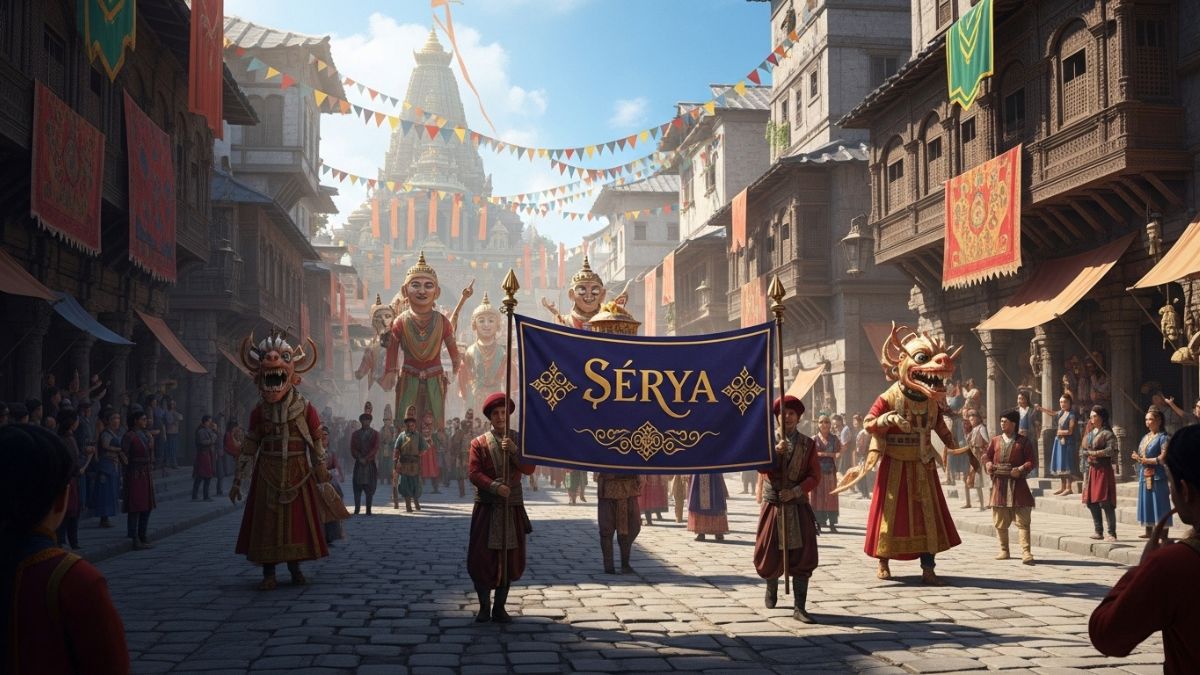
Kompama traces its roots back to ancient traditions, where it began as a communal practice. Communities would gather to celebrate the cycles of life and nature. These gatherings fostered connections among individuals.
Initially, kompama was characterized by rituals that honored ancestors and local deities. The intertwining of spirituality with daily existence created a rich tapestry of cultural expression. Over time, these practices evolved but retained their core essence: unity.
As societies transformed through globalization, kompama adapted while maintaining its original values. It became a bridge between old customs and modern interpretations. This adaptive quality has helped keep it relevant in an ever-changing world.
Today, many still look to kompama for guidance in navigating contemporary challenges, highlighting its enduring significance across generations and cultures.
Cultural Significance of Kompama
Kompama holds a vital place in the cultural fabric of communities that embrace it. This practice serves as a bridge, connecting individuals to their heritage and one another.
Through shared rituals and experiences, kompama fosters unity. It encourages collaboration and mutual respect among participants, creating a sense of belonging.
Moreover, kompama acts as a medium for storytelling. Generations pass down tales woven into its practices, preserving history and identity. Each story enriches the community’s narrative landscape.
In contemporary settings, this significance expands further. People from diverse backgrounds find common ground in its principles. Kompama promotes understanding across cultures while celebrating unique traditions.
These interactions often lead to innovative expressions within art, music, and dance inspired by the essence of kompama. The practice continues to evolve but remains deeply rooted in cultural values that resonate with many today.
How is Kompama Practiced?
Kompama is practiced through a blend of rituals, community gatherings, and personal reflection. Participants often come together in groups to share experiences and insights. This communal aspect strengthens bonds and fosters understanding.
Rituals can vary widely among practitioners. Some engage in storytelling sessions that highlight cultural heritage while others might focus on artistic expressions like dance or music. Each practice aims to connect individuals with their roots.
Personal reflection is also crucial in kompama. People are encouraged to spend time alone contemplating their values and beliefs. Journaling or meditative practices help deepen their connection to the essence of kompama.
Workshops are increasingly popular as well, where experts guide participants through traditional techniques and modern adaptations alike. These events often attract diverse crowds eager to learn about this unique cultural phenomenon.
Benefits of Kompama for Individuals and Communities
Kompama offers a myriad of benefits for both individuals and communities. For individuals, it fosters personal growth by encouraging self-reflection and mindfulness. Participants often find greater clarity in their thoughts, leading to improved decision-making.
At the community level, Kompama strengthens bonds among members. It creates spaces where people can connect deeply, sharing experiences that nurture empathy and understanding. This connection enhances social cohesion.
Moreover, practicing Kompama promotes mental well-being. Engaging in this practice reduces stress and anxiety while fostering resilience against life’s challenges.
Additionally, it encourages creativity and innovation within groups as diverse perspectives come together in harmonious dialogue. The collaborative spirit inherent in Kompama inspires collective problem-solving efforts that benefit all participants.
In essence, the ripple effect of these individual improvements contributes positively to overall community health and vitality.
Examples of Kompama in Modern Culture
Kompama is increasingly visible in modern culture, weaving its way into various art forms and social movements. One prominent example can be seen in contemporary dance performances that embrace kompama’s fluidity, showcasing the beauty of collective expression.
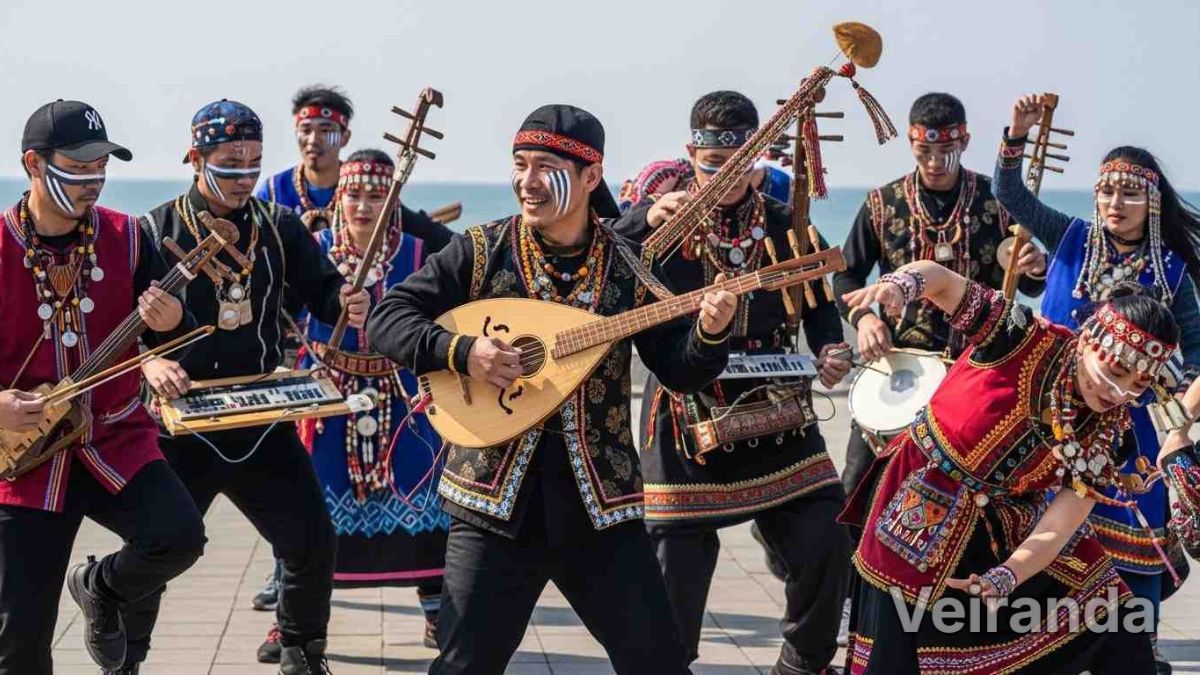
Music festivals also celebrate this practice, featuring collaborative jam sessions where artists from different backgrounds come together to create spontaneous melodies. These events embody the essence of kompama: unity through creativity.
Social media platforms have become a canvas for kompama as well. Online communities form around shared interests, fostering connections between individuals who might never meet in person.
Fashion designers are now incorporating elements inspired by kompama into their collections, blending traditional aesthetics with modern styles. This fusion highlights how ancient practices continue to influence today’s trends while promoting cultural appreciation and diversity among audiences worldwide.
The Future of Kompama in a Globalized Society
As the world becomes increasingly interconnected, kompama stands at a crossroads. Its unique practices could blend seamlessly with global influences, yet there is a risk of dilution.
In urban environments, where cultures collide, kompama may evolve into hybrid forms. This could enrich its traditions or lead to misunderstandings about its core values and meanings.
Digital platforms offer new avenues for sharing kompama. Social media can amplify voices that traditionally might go unheard. It allows practitioners to connect across borders while celebrating their unique heritage.
However, maintaining authenticity will be crucial. As more people engage with kompama, it’s vital to ensure that the essence remains intact amidst globalization’s pressures.
The future also holds potential challenges as commercialization threatens traditional practices. Striking a balance between accessibility and preservation will shape how kompama navigates this complex landscape moving forward.
Conclusion
Kompama represents more than just a practice; it is a reflection of evolving cultures and values. Its history reveals deep-rooted traditions that continue to resonate today. As societies become increasingly interconnected, the significance of Kompama grows, fostering communities around shared experiences.
Practicing Kompama not only enhances individual well-being but also strengthens communal bonds. The benefits extend beyond personal growth, influencing collective identity and cultural heritage. Modern interpretations have integrated this unique practice into various aspects of life, showcasing its versatility and relevance.
Looking ahead, the future of Kompama in an ever-globalizing world appears promising. It will likely adapt while maintaining its core essence, bridging diverse backgrounds through mutual understanding and respect. As we navigate these changes together, the role of Kompama will undoubtedly play an integral part in shaping our shared human experience for generations to come.