










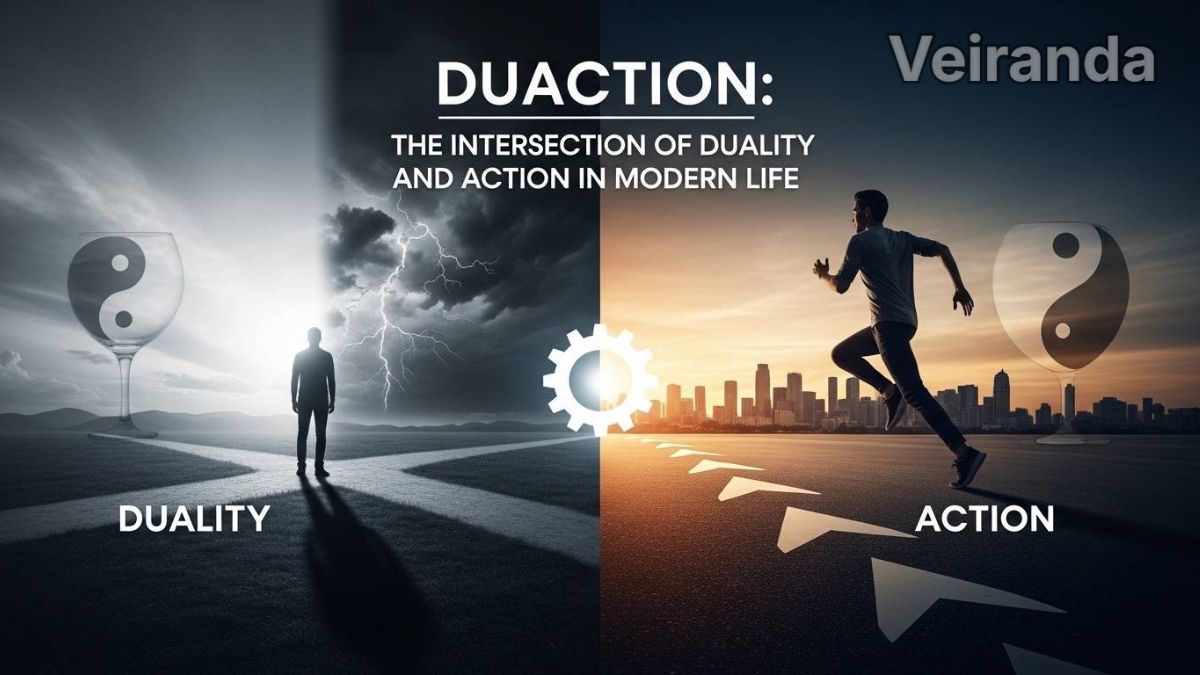
In our fast-paced world, we often find ourselves navigating a complex landscape of choices and challenges. At the heart of this journey lies a fascinating concept: duaction. This term encapsulates the delicate balance between duality—two opposing forces—and action—the steps we take to navigate life’s intricacies. As we explore how these elements intertwine in modern life, you’ll discover insights that can help you embrace the beauty of paradoxes while taking meaningful steps forward.
Whether it’s juggling responsibilities at work and home or balancing personal desires with societal expectations, understanding duaction can be transformative. Join us as we delve into this captivating intersection and uncover ways to harness its power for a more fulfilling life.
Exploring the Concept of Duality
Duality is a fascinating concept that exists in every aspect of life. It refers to the existence of two opposing forces or elements that coexist and influence each other. Light and dark, joy and sorrow, strength and vulnerability—these pairs shape our experiences.
In philosophy, duality often prompts deep reflection on human nature. We grapple with our desires versus responsibilities, freedom against constraints. This tension can spark creativity while also leading to inner conflict.
Nature itself embodies duality. The changing seasons remind us of cycles—the ebb and flow of life’s rhythm. Each transition brings its own lessons, revealing how opposites complement rather than negate each other.
Understanding this interplay encourages us to embrace contradictions within ourselves. Accepting both sides allows for growth and deeper self-awareness as we navigate the complexities surrounding us daily.
The Role of Action in Duality
Action serves as the bridge between opposing forces in the realm of duality. It gives life to concepts, turning abstract ideas into tangible results. Without action, duality remains stagnant—an endless cycle of light and dark without resolution.
In many ways, action defines our experiences. Each choice we make reflects a decision between two paths: creation or destruction, love or fear. When we act upon our intentions, we not only embrace one side but also acknowledge its counterpart.
This interplay can manifest in everyday situations. For instance, choosing to express kindness may highlight feelings of anger lurking beneath the surface. The movement toward positive action often brings balance to emotional extremes.
Understanding this role allows us to navigate life’s complexities more effectively. Action isn’t just about making choices; it’s an exploration of how those choices shape our existence within that dual framework.
How Duality and Action Intersect in Modern Life
In the fast-paced world we live in, duality often manifests through conflicting choices. We navigate between work and play, ambition and contentment. This constant push-and-pull shapes our daily decisions.
Action serves as the bridge between these opposing forces. It allows us to make conscious choices that honor both sides of our nature. For instance, balancing career aspirations with personal relationships demands informed actions that respect both realms.
Moreover, technology amplifies this intersection. Social media reflects duality—curating an image while seeking authenticity requires deliberate action each time we engage online.
Embracing duaction means recognizing these conflicts without fear. It’s about harnessing energy from both extremes to create a fulfilling life. By understanding how they intertwine, we can approach challenges with a more holistic perspective.
Finding Balance between Two Opposing Forces
Balance between opposing forces often feels elusive. Life presents us with constant contrasts—joy and sorrow, action and rest. Navigating these dualities is essential for personal growth.
Understanding our own desires helps find this delicate equilibrium. It’s about recognizing when to push forward and when to take a step back. Each force has its time and place in our lives.
Mindfulness plays a significant role here. By being present, we can tune into our feelings more deeply. This awareness allows us to make informed choices that honor both sides of the spectrum.
Embracing flexibility fosters resilience too. Sometimes, leaning into one side brings clarity before we pivot toward the other. This dance creates harmony where chaos once reigned.
Seek moments of stillness amidst life’s clamor; they reveal insights hidden beneath the surface. In those quiet spaces lies the wisdom needed to balance duaction effectively.
Tips for Embracing Duaction in Daily Life
Embracing duaction in daily life is about finding harmony between opposing forces. Start by identifying areas where duality exists for you, such as work versus leisure or introversion versus extroversion.
Practice mindfulness to enhance awareness of these contrasts. This helps in recognizing when to take action and when to pause.
Set small goals that require you to engage with both sides of a situation. For instance, if you’re overwhelmed at work, allocate time for relaxation afterward.
Create routines that incorporate elements from each side of your dualities. Mix productive tasks with enjoyable activities throughout the day.
Surround yourself with diverse perspectives and experiences. They can inspire new ways of thinking about your own dualities and encourage collaborative action toward balance.
Examples of Duaction in Different Aspects of Life
Duaction manifests vividly in relationships. Think about the push and pull of love versus independence. Couples often find themselves balancing togetherness with personal space, creating a dynamic that fosters growth.
In career settings, duaction surfaces through ambition and contentment. Professionals grapple with the desire for advancement while appreciating their current roles. This tension can spark creativity or lead to stagnation.
Health offers another arena for duaction. The interplay between discipline and indulgence shapes our choices daily. Striving for wellness means navigating cravings alongside commitment to fitness.
Even in creative pursuits, artists experience duaction when blending inspiration with technique. They oscillate between freedom of expression and adherence to structure, evolving their craft uniquely.
These examples highlight how duaction weaves into various life facets, showcasing the rich complexity inherent in human experience.
Conclusion
The concept of duaction invites us to explore the interplay between duality and action. It encourages us to recognize that life is often a dance between opposing forces—light and dark, joy and sorrow, peace and chaos. Embracing this dual nature can lead to deeper understanding.
Action plays a crucial role in navigating these contrasting elements. It’s not just about choosing one side over another; it’s about engaging with both sides dynamically. By taking thoughtful actions, we can harmonize our experiences, allowing for personal growth and resilience.
In modern life, where complexities abound, recognizing how duaction manifests is vital. Whether in relationships or at work, finding balance becomes essential. The practice of acknowledging contradictions without judgment empowers us to make more informed choices.
Tips for embodying duaction include mindfulness practices that help cultivate awareness of your thoughts and feelings as they arise. Setting intentions each day can also guide you toward meaningful actions that respect the dualities present in various situations.
Real-life examples abound—from entrepreneurs balancing risk with caution to individuals reconciling their ambitions with self-care needs. Each instance illustrates how embracing duaction enriches our lives by fostering adaptability and harmony within ourselves.
As we navigate through life’s challenges, understanding the essence of duaction offers valuable insights into achieving balance amid opposing forces while encouraging positive change along the way.