










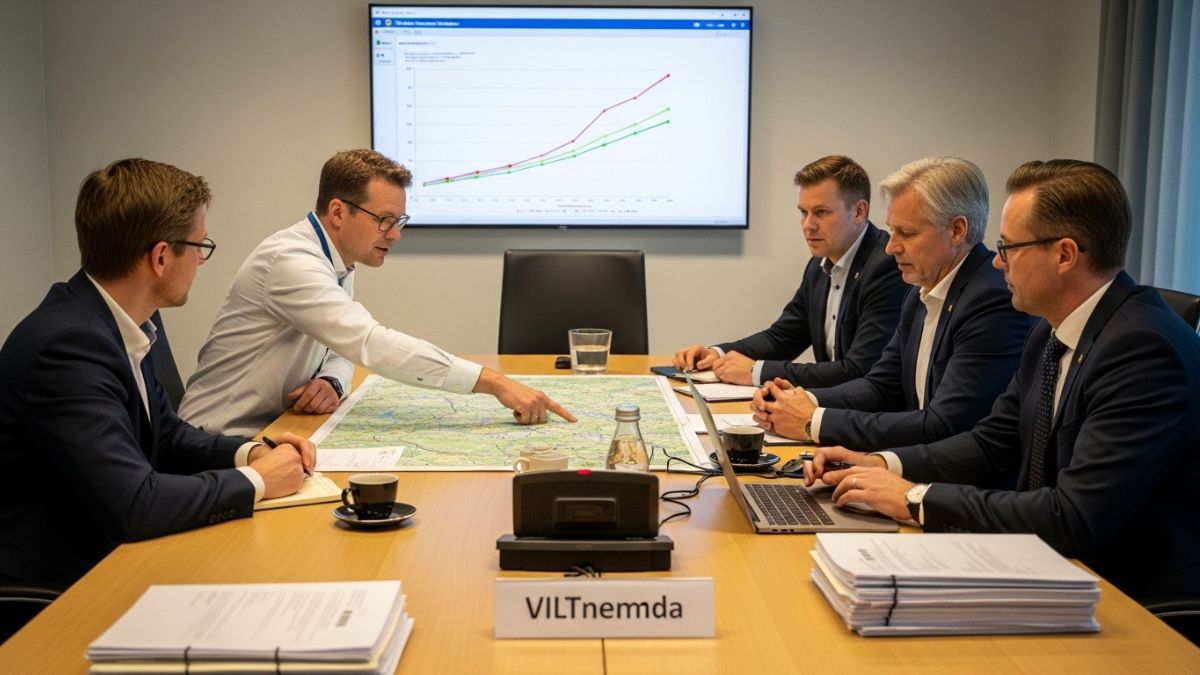
Wildlife is an essential part of our ecosystem, playing a vital role in maintaining balance and biodiversity. Yet, managing these natural resources requires expertise and dedication. This is where viltnemnda comes into play. Often overlooked, this committee has a profound impact on wildlife management strategies across various regions. By overseeing hunting regulations, fostering conservation efforts, and addressing human-wildlife conflicts, viltnemnda serves as the backbone of effective wildlife governance. Understanding its purpose and responsibilities sheds light on how it contributes to preserving our precious natural heritage while balancing the needs of local communities. Let’s dive deeper into the world of viltnemnda and discover what makes it so essential for sustainable wildlife management.
History and Evolution of Viltnemnda
The origins of viltnemnda can be traced back to a time when wildlife management was becoming increasingly important. As human activities began to encroach on natural habitats, the need for structured oversight emerged.
Initially, local communities took it upon themselves to monitor and manage wildlife populations. This grassroots approach laid the foundation for more organized efforts in conservation practices.
As awareness grew regarding ecological balance, governments stepped in. By formalizing structures like viltnemnda in various regions, authorities aimed to streamline wildlife governance across jurisdictions.
Over decades, these committees have adapted their strategies based on scientific research and changing environmental conditions. Today’s viltnemnda is a reflection of this evolution—integrating modern techniques with traditional knowledge while prioritizing sustainability.
This adaptive journey highlights how vital engagement and collaboration are among stakeholders in maintaining biodiversity and ensuring responsible wildlife management systems.
The Role of Viltnemnda in Wildlife Management
Viltnemnda plays a pivotal role in the intricate web of wildlife management. This body serves as a bridge between local communities, government agencies, and conservationists. By facilitating communication and collaboration, Viltnemnda ensures that diverse interests are represented.
One key aspect of their role includes setting hunting quotas to maintain balanced populations of various species. They carefully analyze data on animal behavior and ecosystem health before making decisions.
Additionally, Viltnemnda engages in habitat restoration efforts. By protecting natural environments, they help sustain wildlife outside traditional protected areas.
Education is another crucial component. Through outreach programs, they raise awareness about sustainable practices among local residents. This fosters a culture of respect for nature and promotes coexistence.
Through these multifaceted responsibilities, Viltnemnda significantly contributes to the preservation of biodiversity while balancing human needs with ecological integrity.
Key Responsibilities of Viltnemnda
Viltnemnda plays a crucial role in shaping wildlife management strategies. One of its key responsibilities is to establish hunting regulations. This ensures that hunting practices are sustainable and align with ecological balance.
Monitoring animal populations is another critical duty. By assessing different species, Viltnemnda can identify trends and make informed decisions on conservation efforts.
Engaging local communities also falls under their purview. Educating the public about wildlife conservation fosters a sense of responsibility toward nature and encourages participation in preservation initiatives.
Additionally, Viltnemnda collaborates with various stakeholders including government agencies and NGOs. These partnerships amplify their impact on biodiversity management.
They often handle conflict resolution between humans and wildlife. Addressing these issues promptly helps maintain harmony while protecting both human interests and animal welfare.
Challenges Faced by Viltnemnda in Wildlife Management
Viltnemnda faces a myriad of challenges in wildlife management. One significant hurdle is balancing human interests with conservation efforts. As urban areas expand, habitats shrink, leading to increasing conflicts between wildlife and communities.
Another pressing issue is climate change. Shifts in weather patterns affect species migration and breeding cycles, complicating management strategies. Viltnemnda must adapt quickly to these changes while ensuring ecological balance.
Funding limitations also pose a challenge. Many initiatives require financial resources that are often scarce or misallocated, hindering effective project implementation.
Public awareness plays a crucial role as well. Misinformation about wildlife can lead to negative perceptions and resistance towards necessary policies or practices.
The integration of traditional knowledge with scientific approaches remains incomplete. Bridging this gap is essential for holistic management but requires collaboration across various stakeholders in the community.
Success Stories of Viltnemnda’s Impact on Wildlife Conservation
Viltnemnda has made remarkable strides in wildlife conservation across various regions. One notable success story is the recovery of the moose population in Norway, which faced significant decline due to overhunting and habitat loss.
Through carefully structured hunting quotas and habitat restoration projects, Viltnemnda played a crucial role in stabilizing this majestic species. Their collaborative efforts with local communities ensured that conservation initiatives were both effective and sustainable.
Another inspiring example involves predator management strategies for wolves in certain areas. By balancing predator-prey dynamics, Viltnemnda helped protect livestock while ensuring wolves could thrive within their natural habitats.
These successes illustrate how strategic planning and community involvement can lead to positive outcomes for wildlife populations. The ongoing commitment of Viltnemnda showcases what can be achieved when dedicated individuals work together towards common goals in wildlife management.
Future Outlook for Viltnemnda
The future of viltnemnda appears to be dynamic and promising. As climate change continues to reshape ecosystems, the organization’s role will become increasingly vital. Adaptive management strategies will likely take center stage.
Technological advancements may also enhance monitoring and data collection efforts. Drones, GPS tracking, and AI could provide deeper insights into wildlife populations and behaviors.
Collaboration with local communities is expected to strengthen. Engaging citizens in conservation initiatives fosters a sense of ownership and responsibility towards wildlife.
Furthermore, there’s potential for expanding educational programs about biodiversity. Raising awareness among younger generations can cultivate a culture of respect for nature.
As policies evolve alongside societal values, viltnemnda must remain flexible in its approach. This adaptability will be critical in addressing emerging challenges while promoting sustainable coexistence between humans and wildlife.
Conclusion
Viltnemnda plays a crucial role in preserving wildlife and maintaining ecological balance. Its responsibilities extend beyond simple management; it actively engages with local communities, stakeholders, and policymakers to foster sustainable practices.
The challenges faced are significant, from habitat loss to climate change impacts. However, the success stories emerging from Viltnemnda’s initiatives highlight its effectiveness in promoting biodiversity conservation.
Looking ahead, viltnemnda must adapt to evolving environmental concerns while continuing its mission of protecting Norway’s natural heritage. The future holds potential for innovative strategies that can enhance both wildlife populations and human interests alike. Engaging more deeply with technology and public education will be vital in ensuring the ongoing success of their efforts.