










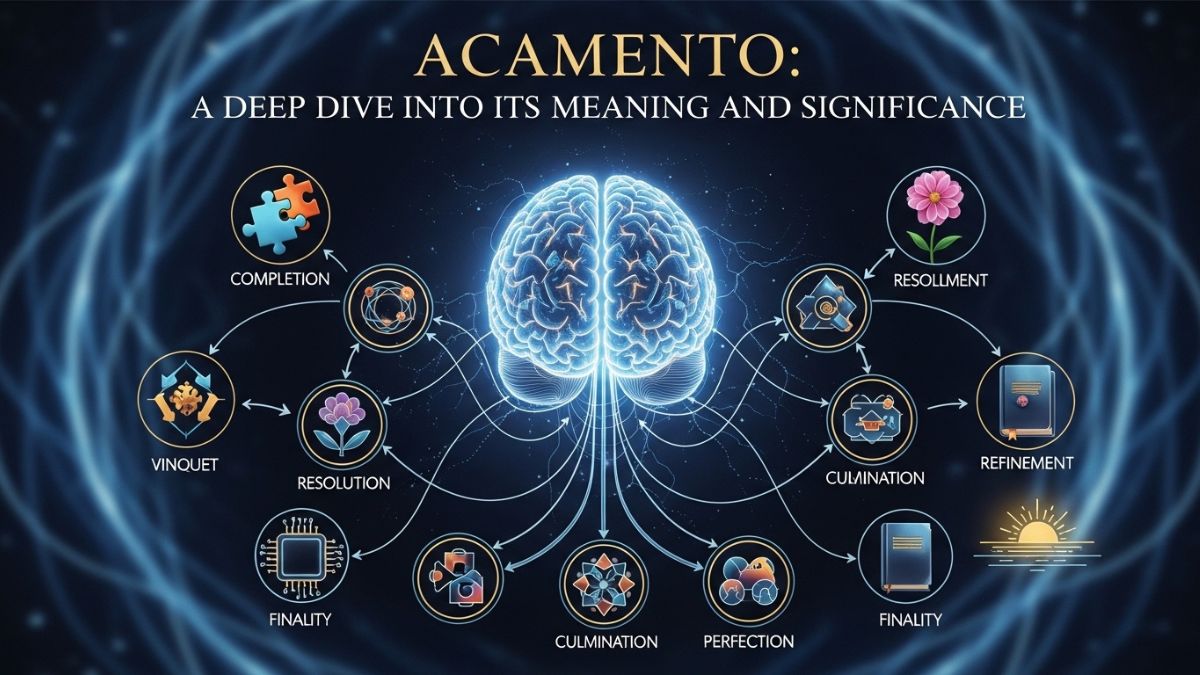
Acamento is a word that captures the imagination and stirs curiosity. It weaves together layers of meaning, history, and cultural resonance in a way that few terms can. While it may not be widely known, acamento holds significant weight in various circles. As we explore its roots and interpretations, you’ll discover how this single term reflects broader human experiences and values. Whether you’re seeking to deepen your understanding or simply intrigued by unique expressions of culture, join us on this journey into the world of acamento—where language meets significance in unexpected ways.
Origin and History of the Word
The word “acamento” has intriguing roots that trace back to the rich tapestry of language in Latin and Portuguese. Emerging from these linguistic traditions, it embodies a depth often overlooked.
In its early usage, “acamento” referred to various forms of attachment or binding. This notion aligns closely with human experiences connections we form and relationships we nurture.
Over time, different cultures adapted the term, embedding their own nuances into its meaning. This evolution showcases how language grows alongside society, reflecting shifts in values and beliefs.
As globalization accelerated, “acamento” began appearing more frequently in literature and art. Its resonance speaks to collective experiences that transcend borders while maintaining distinct cultural flavors.
Today, this historical journey enriches our understanding of acamento as both a concept and a lived experience within diverse contexts.
Cultural Significance of Acamento
The cultural significance of acamento resonates deeply within various communities, embodying the essence of connection and unity. It serves as a bridge between traditions and modern values, showcasing how ancient practices can still hold relevance today.
In many cultures, acamento is celebrated during rituals or gatherings that emphasize togetherness. These events foster bonds among family and friends while honoring ancestral ties.
Artistic expressions often draw inspiration from acamento, manifesting in music, dance, and literature. They capture its spirit by illustrating themes of love, commitment, and shared experiences.
Moreover, the concept transcends geographical boundaries. Different societies interpret it uniquely yet find common ground in its celebration of relationships. This adaptability highlights its importance across diverse backgrounds while enriching global culture with varied perspectives on human connections.
Usage in Modern Day Society
In modern society, the term “acamento” has found its way into various contexts. It often symbolizes connection and unity among people. This idea is especially prevalent in social gatherings and events that celebrate cultural heritage.
Social media platforms have also embraced acamento as a theme for community engagement. People use it to signify shared experiences, bringing friends together through visuals, stories, and hashtags.
Businesses have recognized this concept too. Many brands promote products or services that enhance relationships between individuals—whether that’s through collaborative workspaces or curated experiences.
Artistic expressions often tap into the essence of acamento as well. Musicians, painters, and writers explore themes of togetherness in their works, resonating with audiences on a deeper emotional level.
This evolving understanding of acamento reflects our ongoing quest for meaningful connections in an increasingly digital world.
Acamento as a Symbol
Acamento embodies a rich tapestry of meanings and emotions. It symbolizes growth, transformation, and the interconnectedness of life experiences.
In various cultures, acamento represents the journey from one phase to another. This could be an individual’s personal evolution or a community’s collective progress. The word resonates with those embracing change.
Visually, acamento can take on forms ranging from intricate artwork to simple gestures. Each representation invites interpretation based on context and perspective.
As a symbol, it encourages reflection on our journeys—how we adapt and flourish through challenges faced along the way.
Acamento serves as a reminder that every experience shapes us uniquely. It fosters connection among people navigating their paths while celebrating shared human experiences.
Interpretations and Meanings of Acamento
Acamento encapsulates a range of meanings that vary across cultures and contexts. At its core, it signifies a connection—a bond forged between individuals or communities. This idea transcends geographical boundaries.
In some traditions, acamento represents unity in diversity. Different backgrounds come together through shared experiences and values. It highlights the beauty of collaboration and mutual respect.
For others, acamento hints at transformation. It symbolizes growth resulting from personal trials or collective challenges. The journey of overcoming obstacles often deepens relationships.
Moreover, artists and poets interpret acamento as an emotional state—an overwhelming feeling that can inspire creativity or reflection. It’s not just about people; it encompasses places and memories too.
Each interpretation adds depth to understanding this multifaceted term. Acamento invites us to explore connections in our lives anew.
Conclusion
Acamento embodies a rich tapestry of meaning and significance that resonates deeply within various cultures. Its roots stretch back through history, showcasing how language evolves alongside societal values. The cultural implications attached to acamento highlight its importance in rituals and traditions, marking significant life events and transitions.
In modern society, the term continues to carry weight. It finds relevance in conversations about identity, belonging, and community ties. Acamento serves as a reminder of our shared experiences while allowing for personal interpretations that can vary widely from one individual to another.
As a symbol, acamento transcends mere definition; it invites us to explore the depths of connection between people across generations. Whether viewed through historical perspectives or contemporary lenses, it offers insights into how we relate to ourselves and each other.