









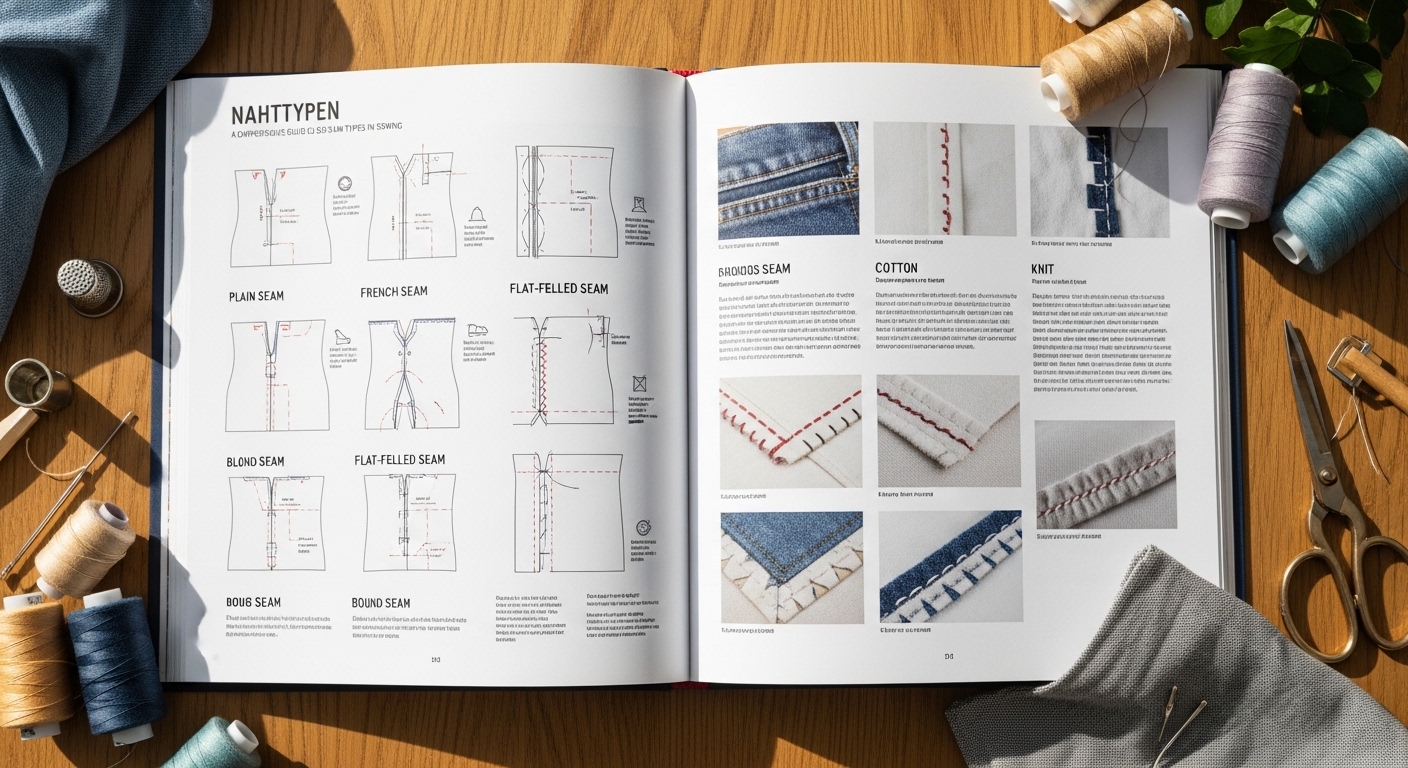
Sewing is a craft that opens up a world of creativity and self-expression. One of the most crucial aspects of this art form is understanding the different types of seams, or as they say in German, “Nahttypen.” Each seam type serves its unique purpose and can drastically affect the look, durability, and functionality of your sewing project. Whether you’re making garments, home décor items, or accessories, knowing which seam to use can elevate your creations from amateur to professional.
Imagine stitching together beautiful fabrics only to find out later that you chose the wrong seam for your project. Frustrating, right? That’s why we’re diving deep into Nahttypen—exploring each type’s characteristics and uses so you can make informed choices every time you sew. Get ready to boost your sewing knowledge and skills as we unravel the secrets behind various seam types!
Different Types of Seams and Their Uses
When it comes to Nahttypen, understanding the different types of seams is essential for achieving professional results in sewing. Each seam serves a unique purpose and suits various fabrics and projects.
The plain seam is the most common type, ideal for joining two pieces of fabric together. It provides a clean finish and works well with lightweight materials.
French seams offer extra durability and are perfect for sheer fabrics. They encase raw edges neatly, preventing fraying.
For stretchable materials like knits, the zigzag seam allows flexibility without breaking threads. It’s great for t-shirts or leggings that require movement.
Flat-felled seams are robust, making them suitable for jeans or heavy-duty garments. This type hides raw edges while adding strength to stress points.
Decorative seams can elevate your project’s aesthetic appeal. Using contrasting thread colors adds visual interest to any creation.
Materials and Tools Needed for Sewing Seams
When diving into the world of Nahttypen, having the right materials and tools is essential for success. Start with a good quality fabric that suits your project. Cotton, linen, or polyester blends are popular choices.
Next on your list should be sewing thread. Opt for a color that matches or contrasts creatively with your fabric to elevate your design.
A sewing machine makes life easier but isn’t strictly necessary. If you’re hand-sewing, needles tailored to fabric type will make all the difference in ease and precision.
Don’t forget scissors! A sharp pair is vital for clean cuts along edges. Additionally, pins help hold pieces together before stitching, ensuring accuracy in alignment.
Consider using an iron to press seams flat as you go. This simple step can enhance both appearance and durability significantly during construction.
Step-by-Step Guide on How to Sew Various Seam Types
To get started with sewing seams, gather your fabric and tools. Make sure you have a ruler, scissors, pins, and your sewing machine ready.
Begin with the straight seam. Align the fabric edges together and pin them in place. Set your machine to a straight stitch. Sew along the edge, keeping it even for that polished look.
Next up is the French seam. Start by placing wrong sides together and sew a narrow seam. Trim any excess fabric before flipping it right side out. Press flat then sew again to enclose raw edges neatly.
For a zigzag seam, set your machine accordingly once more—this one’s great for stretch fabrics! Just guide your material through while maintaining an even pace.
Try out bias binding for finishing edges on garments or quilts. Cut strips of fabric on the diagonal grain to create beautiful borders around armholes or necklines without fraying edges showing through.
Tips and Tricks for Perfect Seams
Achieving perfect seams can elevate your sewing projects significantly. Start by using the right needle for your fabric type. A sharper needle works wonders on lightweight materials, while a ballpoint needle is ideal for knits.
Always press your seams open as you sew. This simple step helps eliminate bulk and ensures that everything lies flat, giving you a polished finish.
Use quality thread that matches your fabric’s weight and color. Cheap thread can break or cause tension issues, leading to frustrating results.
Another tip is to practice different seam allowances before diving into a project. Knowing how much fabric to leave gives you confidence during construction.
Don’t underestimate the power of pins. Properly pinning layers together prevents shifting while sewing and enhances accuracy in alignment. Your future self will thank you!
Common Mistakes to Avoid When Sewing Seams
One of the most frequent mistakes is not pre-washing fabrics. This can lead to unexpected shrinkage after your project is complete. Always wash and dry fabric before starting.
Another common error involves inaccurate measurements. Double-checking your dimensions can save you time and materials in the long run.
Using the wrong type of needle or thread for your fabric also hampers results. Choose a needle that matches your fabric’s weight and a thread that complements it well.
Ignoring seam allowances might seem trivial, but it affects fit significantly. Stick to recommended seam allowances for consistent results.
Don’t rush through sewing seams without pressing them properly afterward. Pressing helps shape seams correctly and ensures they lay flat, giving your finished project a polished look.
Conclusion
When it comes to sewing, understanding Nahttypen is essential for achieving professional results. Each seam type offers unique benefits and serves specific purposes in garment construction. From the classic straight stitch to more intricate techniques like flat-felled seams or French seams, mastering these variations will enhance your sewing skills.
Having the right materials and tools makes a significant difference as well. Quality fabric, sharp needles, and appropriate thread can elevate your work from amateur to expert level. Following a step-by-step approach ensures that you’re not just going through the motions but truly grasping each technique.
As with any craft, practice makes perfect. Embrace tips and tricks shared by seasoned sewists; they often contain invaluable wisdom gathered over years of experience. Don’t shy away from making mistakes—they are part of learning too.
The journey into different Nahttypen opens up endless possibilities for creativity in sewing projects. Whether you’re creating garments or home décor items, knowing how to properly execute various seam types will set you on a path toward becoming a skilled sewer who produces beautiful pieces that last.